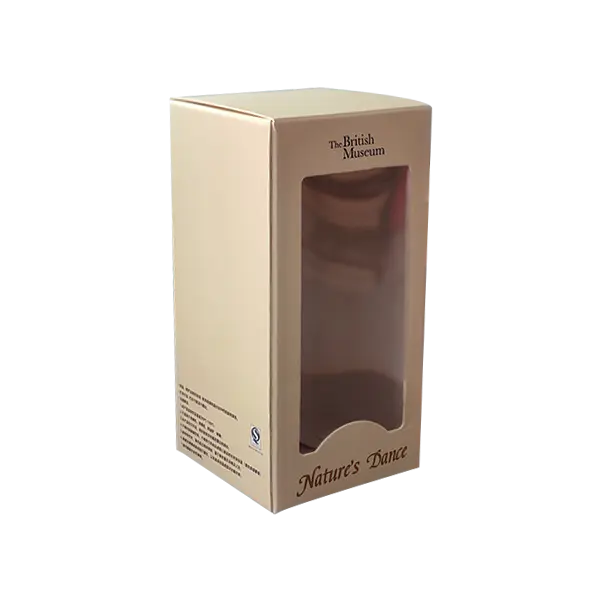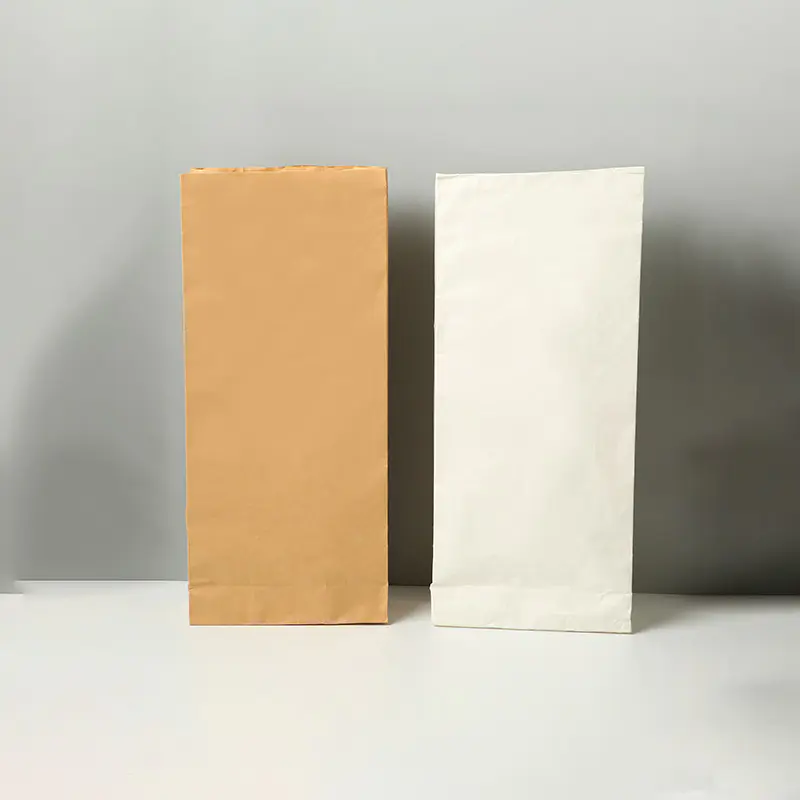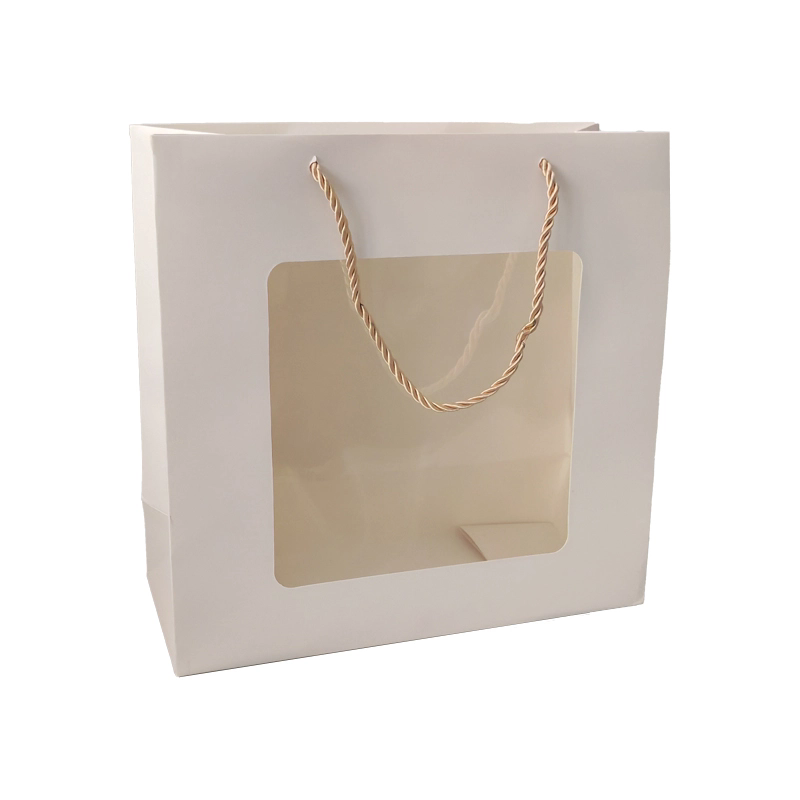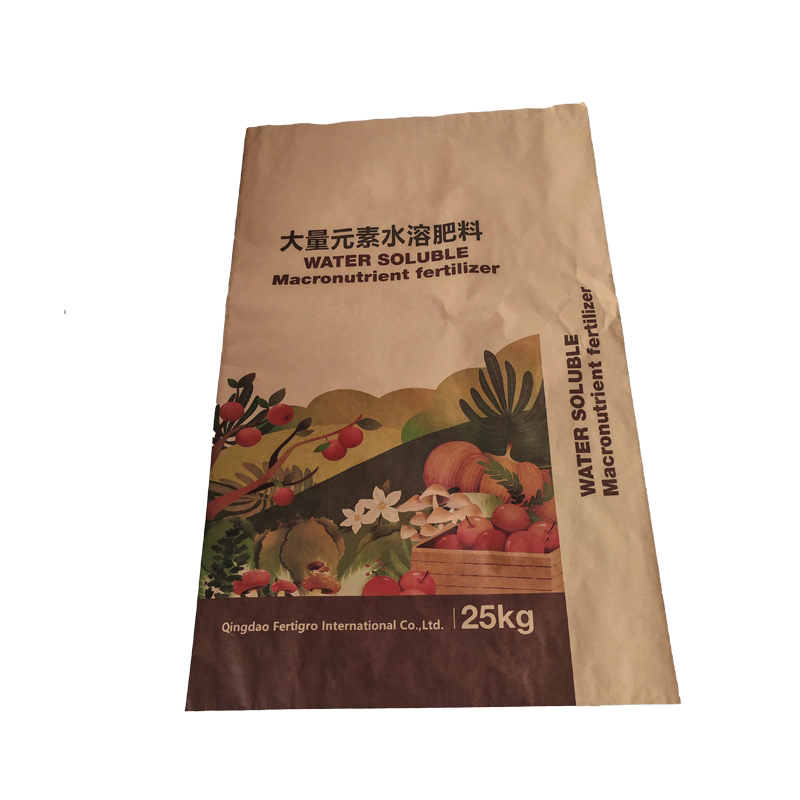
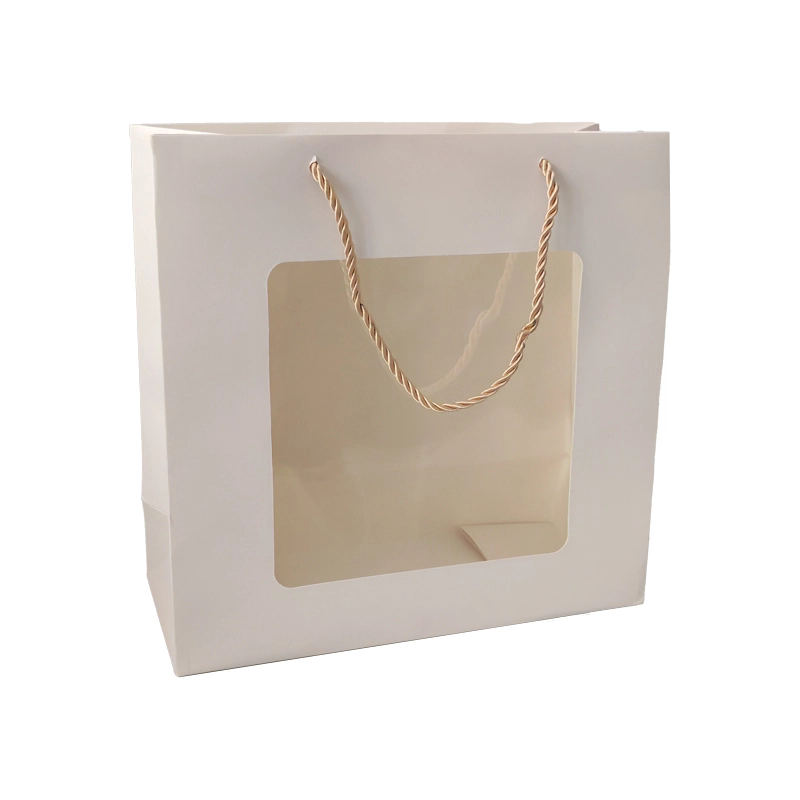
A buyer opens two samples on the desk. Both are Tote Bag designs for the same retail launch. One is a natural brown kraft paper bag with a single-color logo. The other is a bright white cardboard bag with a full-color print and a soft-touch finish. They look like different products, but the difference begins in the paper mill, not the printing press. Kraft paper is made from unbleached wood pulp, and its strength comes from long, intact fibers. White cardboard is made from bleached pulp and often includes a coated surface that accepts high-resolution print. The choice between them affects the bag's strength, its print capability, its cost, and its environmental story. For a procurement team sourcing Tote Bags, the material decision is a commercial decision, not a cosmetic one.
This guide compares kraft paper and white cardboard as Tote Bag materials from a buyer's perspective. It explains the fiber and manufacturing differences, the strength and grammage parameters that determine load capacity, the printability differences that affect branding, the application scenarios where each material is the better choice, and the verification steps that should be completed before an order is placed. The content is organized around the questions a procurement team should ask, and it includes the product parameters and documentation that a reliable supplier should provide. Our factory at Wenzhou Chenxing Packaging Co., Ltd. produces Tote Bags in both kraft paper and white cardboard, and the guidance below reflects the material and procurement standards we apply to the products we supply.
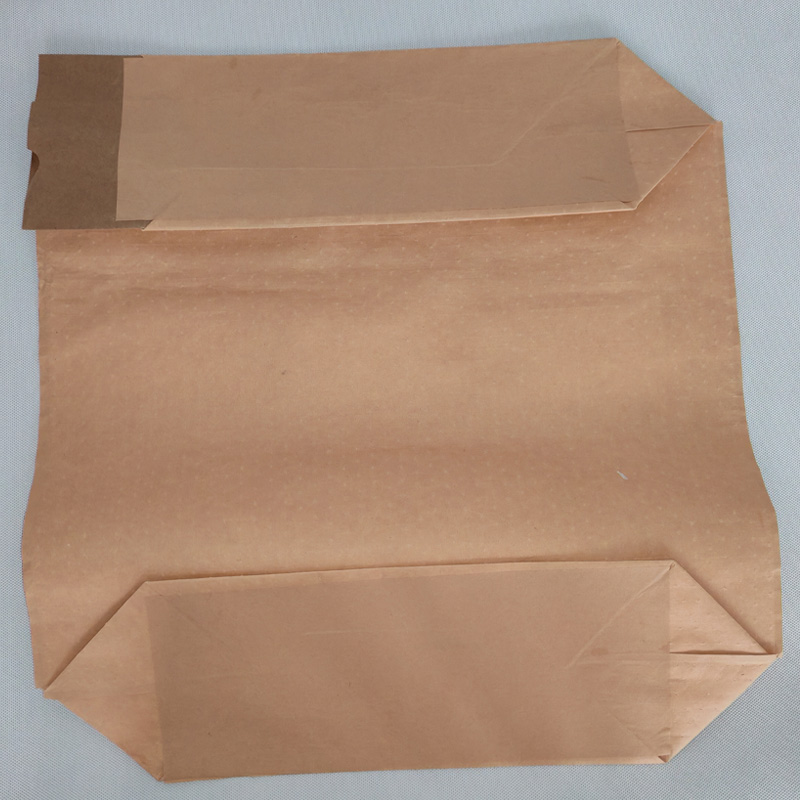
The fundamental difference begins with the pulp. Kraft paper is produced by the kraft pulping process, which treats wood chips with a chemical liquor to dissolve the lignin and release the cellulose fibers. The process does not bleach the pulp, so the paper retains its natural brown color and its long, strong fibers. The unbleached surface has a visible fiber texture and a warm, organic appearance. White cardboard, also called white card or white board, is produced from bleached pulp and often includes a coating on one or both sides. The bleaching removes the color, and the coating fills the surface pores to create a smooth, bright white sheet. The two materials are therefore different at the fiber level, and that difference drives every downstream property.
The table below compares the core properties of the two materials as they are used in Tote Bag production.
| Property | Kraft Paper | White Cardboard |
| Pulp source | Unbleached softwood and hardwood kraft pulp | Bleached chemical pulp, often with a coating |
| Natural color | Brown, tan, or natural | Bright white |
| Surface texture | Visible fiber, matte, slightly rough | Smooth, coated, uniform |
| Typical grammage for bags | 120–200 gsm | 200–350 gsm |
| Typical thickness | 0.15–0.25 mm | 0.25–0.45 mm |
| Tear resistance | High, due to long fibers | Moderate, depending on coating and fiber |
| Print surface | Absorbent, limited color brilliance | Coated, high color brilliance and detail |
| Relative cost | Lower | Higher |
The practical consequence is that kraft paper is the material of choice when strength, natural appearance, and cost are the priorities. White cardboard is the material of choice when print quality, brightness, and a premium feel are the priorities. Neither material is universally superior. The buyer's job is to match the material to the brand position and the load requirement. Our factory at Wenzhou Chenxing Packaging Co., Ltd. supplies both materials and helps customers compare the properties against the intended use.
One point that buyers often overlook is the relationship between grammage and stiffness. A 150 gsm kraft paper may feel strong in the hand, but its stiffness is lower than a 250 gsm white cardboard. The Tote Bag may carry the same load, but it may not stand upright on a shelf or hold its shape when printed with a large graphic. The material choice is therefore not only about strength. It is about the physical presence of the bag in the retail environment. A premium brand may choose white cardboard for its rigidity and print quality, while a natural brand may choose kraft paper for its texture and environmental story.
The strength of a Tote Bag is determined by the paper's grammage, its fiber direction, and the way the handles are attached. Grammage is the weight of the paper per square meter. A higher grammage generally means a thicker, stronger sheet, but the relationship is not linear. The fiber direction, also called the machine direction, determines how the paper tears and folds. When the paper is cut for a bag, the grain direction should run vertically along the bag body so that the bag resists tearing at the handle attachment points. If the grain runs horizontally, the bag may tear along the top edge when it is loaded.
The table below provides the key mechanical parameters that a buyer should request for a Tote Bag material.
| Parameter | Typical Kraft Paper Range | Typical White Cardboard Range | Why It Matters |
| Grammage | 120–200 gsm | 200–350 gsm | Determines basis weight and stiffness |
| Thickness | 0.15–0.25 mm | 0.25–0.45 mm | Affects handle anchorage and fold quality |
| Bursting strength | ≥ 2.5 kPa·m²/g | ≥ 3.0 kPa·m²/g | Indicates resistance to puncture and load |
| Tear resistance | ≥ 500 mN | ≥ 400 mN | Indicates resistance to edge tearing |
| Stiffness | Moderate | High | Determines whether the bag stands upright |
| Moisture content | 6–8% | 5–7% | Affects dimensional stability and printing |
The handle attachment is the most common failure point in a Tote Bag. The handle is usually a twisted paper or a flat paper handle that is glued or inserted through a reinforced patch. The paper around the handle hole must have enough tear resistance to carry the load without elongating or tearing. A kraft paper with long fibers usually performs well in this area because the fibers distribute the stress. A white cardboard with a coated surface may need a reinforced patch or a folded top hem to achieve the same load capacity. The buyer should confirm the handle attachment method and the reinforcement specification before the order is placed.
Our factory at Chenxing Packaging tests the handle attachment on every Tote Bag design. We load the bag to the rated capacity and inspect the handle area for elongation, tearing, and adhesive failure. We also check the fiber direction against the bag pattern to ensure that the grain runs in the correct orientation. The goal is to provide a bag that carries the intended load without a handle failure in the retail environment.
For a buyer, the specification should state the grammage, the fiber direction, the handle type, and the load rating. A supplier that provides only the grammage is giving you a partial specification. A supplier that provides the full mechanical data and the handle test result is giving you the information needed to confirm the bag's strength.
Printability affects branding because the paper surface determines how much color, detail, and contrast the printed design can achieve. Kraft paper is absorbent and naturally brown. When ink is applied, the brown background shifts the color of the ink, and the absorbent surface spreads the ink slightly, which reduces the sharpness of fine lines and small text. White cardboard is coated and bright white. The coating holds the ink on the surface, which produces a sharper dot and a more brilliant color. The same logo printed on the two materials will look different. The kraft version will look natural and understated. The white version will look crisp and premium. The table below summarizes the printability differences.
| Printability Factor | Kraft Paper | White Cardboard |
| Background color | Brown, affects ink color | White, supports accurate color |
| Surface absorbency | High, ink spreads | Low, ink stays on surface |
| Fine detail | Limited by fiber texture | High detail, small text |
| Color brilliance | Muted, natural | Bright, saturated |
| Best print method | Flexo, screen, single-color offset | Offset, digital, gravure |
| Best logo treatment | Solid logo, foil, deboss | Full-color logo, foil, emboss |
The branding decision is not only about color. It is about the story the material tells. A kraft paper bag communicates natural, recycled, organic, and minimal. It is a good fit for a farm shop, a coffee roaster, a craft brewery, or a brand that wants to emphasize environmental responsibility. A white cardboard bag communicates clean, premium, precise, and modern. It is a good fit for a cosmetics brand, a jewelry retailer, a pharmacy, or a fashion label that relies on photographic print quality. The material choice is therefore a positioning choice. The buyer should confirm that the material matches the brand's visual identity before the print artwork is finalized.
Our factory at Wenzhou Chenxing Packaging Co., Ltd. produces Tote Bags in both materials and provides print trials on request. We can print the same artwork on a kraft sample and a white cardboard sample so that the customer can compare the result before the production order is placed. The goal is to make the material decision visible, not theoretical.
For a buyer, the print specification should state the material, the print method, the number of colors, the surface treatment, and the proofing requirement. A supplier that provides a digital proof on the actual material is a supplier that is managing the color risk. A supplier that provides only a screen proof is a supplier that is leaving the final appearance to chance.
Kraft paper Tote Bags are the right choice when the brand position values natural materials, when the load requirement is moderate, and when the budget is a primary constraint. The following procurement story describes a typical decision. A regional coffee roaster needs a bag for a weekend market. The bag will carry two bags of coffee beans, a ceramic mug, and a brochure. The total load is around 2 kg. The brand uses a single-color logo and a natural kraft aesthetic. The buyer compares a 150 gsm kraft paper bag with a 250 gsm white cardboard bag. The white cardboard bag is stiffer and prints more brightly, but it costs more and does not match the brand's natural look. The kraft bag meets the load requirement, matches the brand, and fits the budget. The buyer selects the kraft bag with a reinforced handle patch and a single-color flexo print.
The table below provides a scenario matrix for kraft paper Tote Bag selection.
| Application Scenario | Recommended Kraft Grammage | Handle and Reinforcement | Reason |
| Farm shop, bakery, coffee roaster | 120–150 gsm | Twisted paper handle, folded top hem | Light load, natural brand image |
| Trade show giveaway | 150–180 gsm | Flat paper handle, reinforced patch | Moderate load, repeated handling |
| Organic retail, zero-waste store | 180–200 gsm | Twisted paper handle, stitched patch | Heavier load, sustainability message |
| Corporate gift bag | 200 gsm | Ribbon handle, reinforced top | Premium natural look, moderate load |
The kraft paper choice has a sustainability dimension that buyers should verify rather than assume. Kraft paper is often made from virgin wood pulp, and it can be recycled, but the recycling rate depends on the local infrastructure and the ink and adhesive used. A buyer who wants to make a sustainability claim should request the fiber sourcing documentation, the recycled content percentage, and the ink and adhesive specification. The claim should be specific, such as “made with 70% recycled fiber” or “printed with water-based ink,” rather than a general “eco-friendly” statement.
Our factory at Chenxing Packaging supplies kraft paper Tote Bags with documented fiber sourcing and ink specifications. We help our customers select the grammage and handle reinforcement that match the load and the brand image. The goal is to provide a bag that performs in the market, not just a bag that looks natural in a photograph.
For a buyer, the kraft paper selection should be based on the load, the handle type, the print method, and the sustainability documentation. A supplier that can provide these specifications is a supplier that can support a credible product claim. A supplier that cannot provide them is a supplier that is asking the buyer to accept the claim on trust.
White cardboard is the better choice when the Tote Bag is part of a premium retail experience and the print quality is a primary driver of the purchase decision. A cosmetics brand launching a new serum may use a white cardboard bag with a soft-touch lamination, a foil logo, and a spot UV pattern. The bag is designed to be photographed and shared. The white surface holds the brand color accurately, the coating provides a tactile finish, and the stiffness allows the bag to stand upright on a counter. The same bag in kraft paper would look natural but would not deliver the same color accuracy or the same premium feel.
The table below compares the performance of white cardboard in premium applications.
| Premium Requirement | White Cardboard Advantage | Buyer Consideration |
| Brand color accuracy | White base supports true color | Request a printed proof on the actual stock |
| High-resolution imagery | Coated surface holds fine detail | Confirm the print method and screen ruling |
| Structural rigidity | Higher stiffness for shelf presence | Confirm grammage and fold quality |
| Premium finish options | Soft-touch, foil, emboss, spot UV | Confirm finish compatibility with the coating |
| Perceived value | Bright, clean, modern | Confirm the material matches the brand position |
The premium choice also has cost and environmental trade-offs. White cardboard is generally more expensive than kraft paper because of the bleaching and coating steps. The coating may affect recyclability, depending on the coating type and the local recycling facility. A buyer who wants a premium bag with a sustainability claim should ask for a coated board that is recyclable in the destination market, or a water-based coating that is compatible with the recycling stream. The claim should be verified with the supplier's documentation, not assumed from the white color.
Our factory at Wenzhou Chenxing Packaging Co., Ltd. produces white cardboard Tote Bags with a range of coatings and finishes for premium retail. We can supply soft-touch lamination, foil stamping, embossing, and spot UV, and we provide the material and finish specifications for each option. The goal is to provide a premium bag that meets the brand's visual standard and the market's compliance requirements.
For a buyer, the white cardboard selection should be based on the brand position, the print requirement, the finish requirement, and the cost target. A supplier that can provide the coating specification and the recyclability data is a supplier that can support a premium product with a credible environmental claim. A supplier that provides only a white sample without the material data is a supplier that is leaving the performance and compliance risk to the buyer.
Procurement teams should verify the material, the construction, the print, and the compliance documentation before the order is placed. The verification should be completed on a physical sample, not only on a specification sheet. The checklist below provides the verification route.
The table below provides a supplier evaluation framework for Tote Bag procurement.
| Evaluation Criterion | What to Request | Why It Matters |
| Material capability | Kraft and white cardboard stock list, certificates | Confirms the supplier can meet the material specification |
| Construction capability | Handle types, reinforcement options, load test data | Confirms the bag can carry the intended load |
| Print capability | Print methods, color management, proofing process | Confirms the brand artwork will reproduce correctly |
| Compliance documentation | Fiber sourcing, recycled content, ink and adhesive data | Supports the sustainability and regulatory claims |
| Production control | Sampling plan, inspection records, test reports | Confirms consistency across the order |
Our factory at Wenzhou Chenxing Packaging Co., Ltd. provides the material certificates, the load test data, the print proofs, and the compliance documentation for the Tote Bags we supply. We welcome customer audits and can provide samples for evaluation. The goal is to make the procurement verification straightforward and to give buyers the evidence they need to approve the order.
For a buyer, the verification should be completed before the production run, not after the shipment arrives. A sample that passes the load test and the print check is a sample that can be approved. A sample that fails either check is a sample that can be corrected before the tooling and the material are committed. The verification route is the step that prevents a costly rework.
Question 1: Is kraft paper stronger than white cardboard for a tote bag?
Answer: Kraft paper often has higher tear resistance because its fibers are long and unbleached, but white cardboard usually has higher stiffness because it is denser and often thicker. The stronger material depends on the load type. For tear resistance at the handle, kraft paper has an advantage. For standing upright and resisting bending, white cardboard has an advantage. The buyer should specify the load requirement and test the sample.
Question 2: Can white cardboard tote bags be recycled?
Answer: White cardboard can be recycled if the coating and the ink are compatible with the local recycling stream. Some coatings are recyclable, and some are not. The buyer should request the coating specification and the recyclability data for the destination market. A general “recyclable” claim should be supported by documentation, not assumed from the white color.
Question 3: Is kraft paper suitable for full-color printing?
Answer: Kraft paper can be printed in full color, but the brown background shifts the ink color and the absorbent surface reduces fine detail. The result is a muted, natural look rather than a bright, precise reproduction. For full-color branding with accurate color, white cardboard is the better choice. For a single-color or two-color logo with a natural aesthetic, kraft paper performs well.
Question 4: What grammage should I choose for a tote bag?
Answer: The grammage depends on the load and the material. A light kraft bag for a bakery may use 120–150 gsm. A heavier kraft bag for organic retail may use 180–200 gsm. A white cardboard bag for premium retail may use 250–350 gsm. The handle attachment and the reinforcement also affect the load capacity. The buyer should test a sample at the rated load before approving the grammage.
Question 5: How much more expensive is white cardboard than kraft paper?
Answer: White cardboard is generally more expensive than kraft paper because of the bleaching and coating steps. The difference depends on the grammage, the coating, and the order quantity. A white cardboard bag may cost 20–50% more than a comparable kraft bag. The buyer should compare the total cost, including the print and finish, against the brand value and the load requirement, rather than comparing the paper price alone.
Kraft paper and white cardboard are different materials with different strengths. Kraft paper offers long fibers, high tear resistance, a natural appearance, and a lower cost. White cardboard offers a bright white surface, high print quality, high stiffness, and a premium feel. The right choice depends on the brand position, the load requirement, the print requirement, and the budget. For a procurement team, the decision should be made with a physical sample, a load test, a print proof, and the material and compliance documentation. Our factory at Wenzhou Chenxing Packaging Co., Ltd. produces Tote Bags in both materials and supports customers with the material data, the load test, and the print proof needed to make a confident selection. If you are sourcing Tote Bags for retail or promotional use, contact our team to discuss your material and print requirements.
Contact Wenzhou Chenxing Packaging Co., Ltd. today to request kraft paper and white cardboard Tote Bag samples and to discuss the material, construction, and print specifications for your project.
-