On a high-speed packaging line filling 1,200 bags per hour, every second counts. The traditional open-mouth bag requires three distinct operations: filling, sealing, and trimming. Each operation adds time, labor, and the potential for error. The valve mouth paper bag changes this equation fundamentally. Its integrated valve design allows the bag to be filled through a small opening and then self-seals as the internal pressure closes the valve flaps. There is no separate sealing step. There is no stitching, no gluing, no heat sealing. The bag is filled and sealed in a single operation. This is not a marginal improvement; it is a revolutionary change in packaging efficiency. For manufacturers of cement, chemicals, minerals, and agricultural products, the valve mouth paper bag eliminates an entire stage of the packaging process, reducing labor costs, increasing throughput, and improving product quality.
The question of how a Valve Mouth Paper Bag eliminates secondary sealing procedures is answered by the physics of its design. The valve is a precision-engineered opening that allows the filling spout to enter, but closes automatically when the bag is full. The internal pressure of the product pushes the valve flaps together, creating a seal that is effective against leakage and contamination. This self-sealing action is passive; it requires no external energy, no operator intervention, and no additional equipment. This article will examine the technology of the valve mouth paper bag in detail. We will cover the construction of the valve, the filling process, the self-sealing mechanism, and the quantifiable benefits in terms of labor, throughput, and cost. We will also provide detailed specifications for our Valve Mouth Paper Bags from our factory at Wenzhou Chenxing Packaging Co., Ltd.
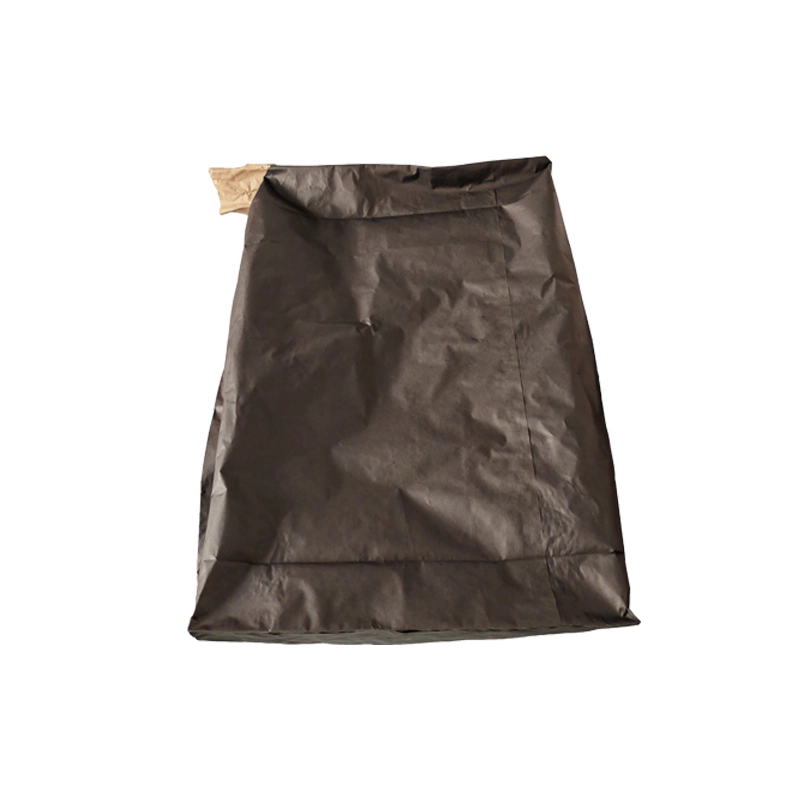
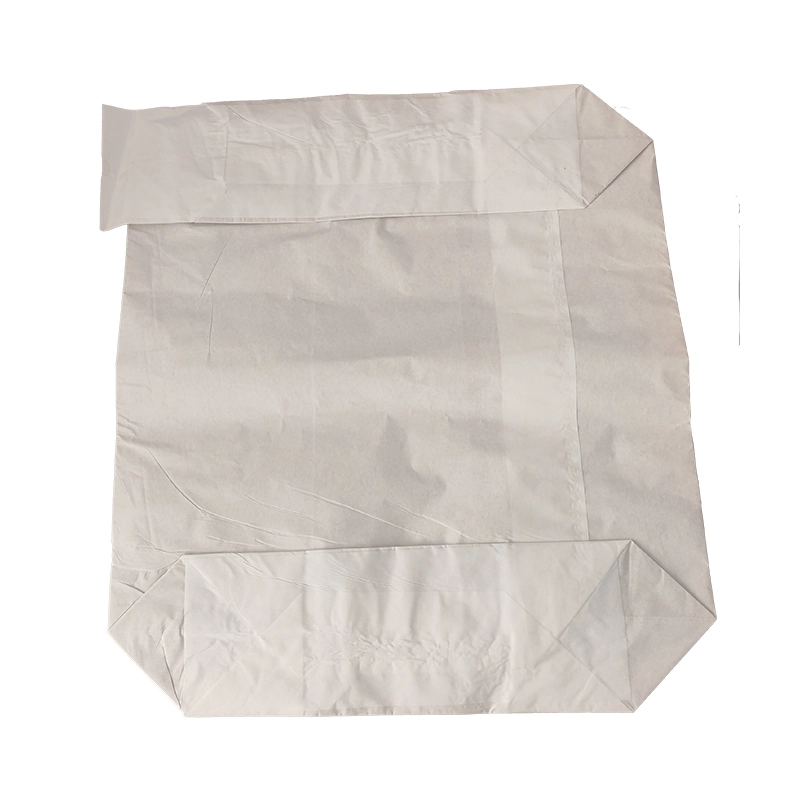
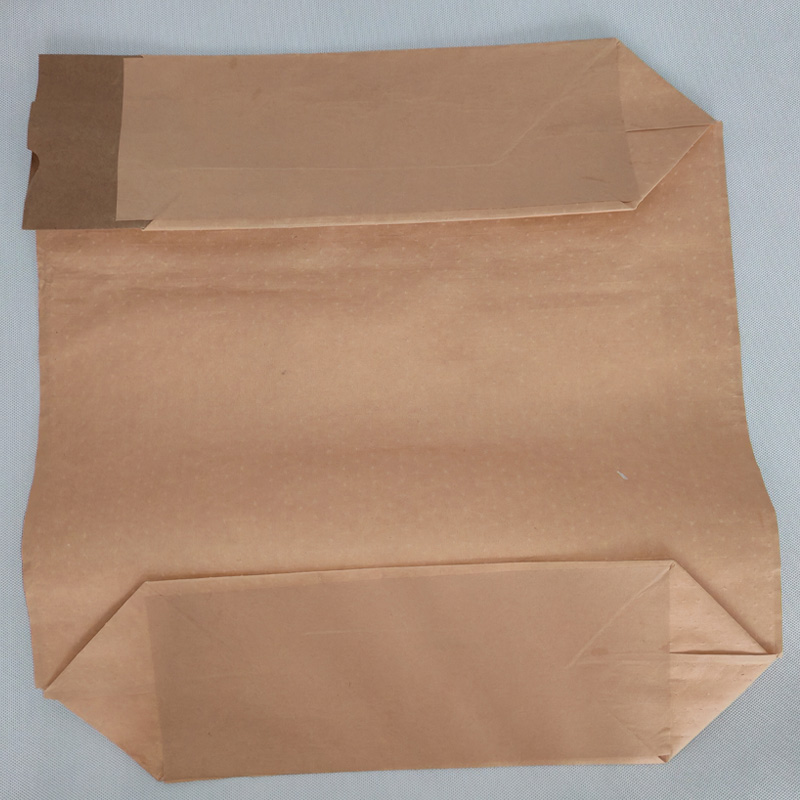
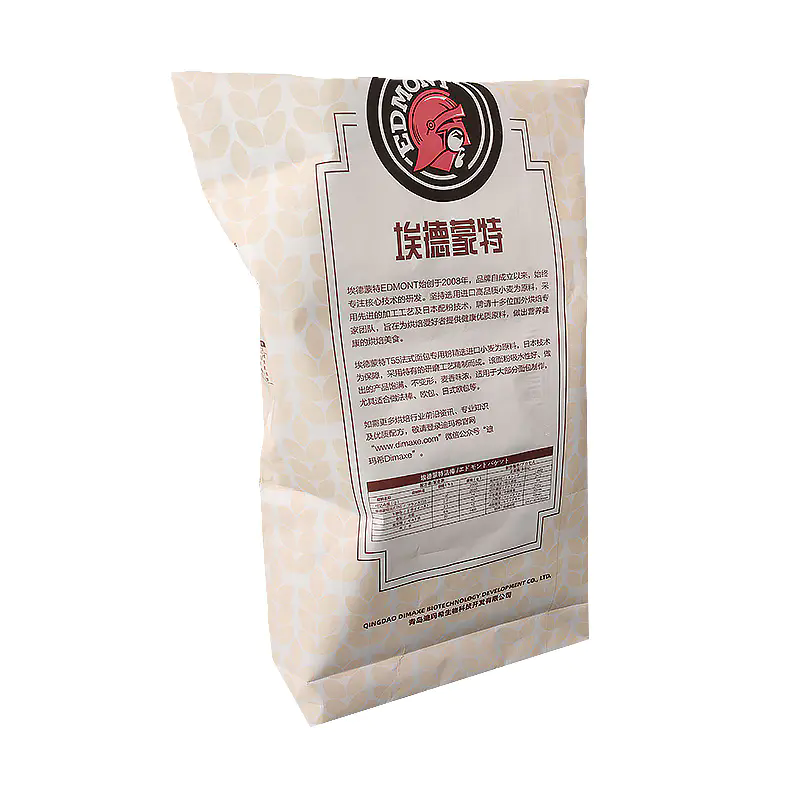
A Valve Mouth Paper Bag is a multi-wall paper sack that features a small, integrated valve on one side or corner. The valve is a precision-folded opening that allows the filling spout to enter the bag, but which closes automatically after filling. The bag is constructed from multiple layers of high-strength kraft paper, often with an inner liner for moisture protection. The valve itself is formed from the same paper as the bag, folded in a specific pattern that creates a one-way passage for the filling spout. The valve is typically located at the top corner of the bag, but it can also be positioned in the center or on the gusset, depending on the filling equipment and the product characteristics. The construction of the valve is the key to the bag's self-sealing capability. The folds are designed so that the internal pressure of the product presses the valve flaps together, creating a seal that is proportional to the internal pressure. The higher the pressure, the tighter the seal.
The construction of a Valve Mouth Paper Bag is more complex than that of an open mouth bag. The valve must be precisely folded and glued to ensure that it opens easily for the filling spout and closes tightly after filling. The bag must also be strong enough to withstand the pressure of the filling process and the weight of the product. At Wenzhou Chenxing Packaging Co., Ltd., our factory uses advanced folding and gluing machines to produce valve mouth paper bags with consistent quality and performance. We use high-strength kraft paper from certified suppliers and we test every batch to ensure that it meets our specifications. The table below summarizes the key components of a Valve Mouth Paper Bag.
| Component | Description | Function |
| Outer Layer | High-strength kraft paper | Provides strength and printability |
| Middle Layer | High-strength kraft paper | Provides additional strength |
| Inner Layer | Kraft paper or PE liner | Product contact and moisture barrier |
| Valve | Folded paper opening | Allows filling and self-sealing |
| Bottom Seal | Folded and glued bottom | Provides a strong, leak-proof base |
At our factory, we produce Valve Mouth Paper Bags in a range of sizes and configurations to suit different products and filling equipment. We can customize the number of layers, the type of liner, and the position of the valve. Our engineering team can assist with the selection of the right bag for your specific application.
The filling process for a Valve Mouth Paper Bag is fundamentally different from that of an open mouth bag. In an open mouth bag, the bag is held open, the product is poured or blown in, and then the bag is sealed in a separate operation. In a valve mouth bag, the bag is placed on a filling spout, and the product is blown into the bag through the valve. The filling process is fully automated and typically takes only a few seconds. The bag is held in place by the filling machine, and the spout is inserted into the valve. The product flows through the spout and into the bag. As the bag fills, the air inside the bag is displaced and escapes through the porous paper. When the bag is full, the filling machine releases the bag, and the valve self-seals. The entire operation is clean, fast, and efficient. There is no spillage, no dust, and no separate sealing step. The table below summarizes the filling process for a Valve Mouth Paper Bag.
| Step | Action | Duration |
| 1. Bag Placement | Bag is placed on the filling spout | 1-2 seconds |
| 2. Spout Insertion | Spout enters the valve | < 1 second |
| 3. Filling | Product flows into the bag | 2-4 seconds |
| 4. Air Displacement | Air escapes through the paper | Simultaneous with filling |
| 5. Bag Release | Bag is released from the spout | < 1 second |
| 6. Self-Sealing | Valve closes automatically | Instantaneous |
At Chenxing Packaging, our factory produces Valve Mouth Paper Bags that are designed for optimal filling performance. We work closely with our customers to ensure that the bag is compatible with their filling equipment and that the valve is positioned correctly for their specific application. Our technical team can provide guidance on filling parameters, including the optimal filling speed and pressure.
The self-sealing action of the valve is a purely mechanical phenomenon. It requires no external energy, no adhesive, and no operator intervention. The seal is created by the internal pressure of the product, which presses the valve flaps together. The valve is designed so that the internal pressure acts on the flaps in a way that increases the sealing force. The higher the internal pressure, the tighter the seal. This is a passive system that is inherently reliable. The physics of the self-sealing valve can be understood by considering the forces acting on the valve flaps. The internal pressure of the product pushes outward on all surfaces of the bag, including the valve flaps. The flaps are folded in a way that the pressure pushes them against each other, creating a seal. The seal is further enhanced by the friction between the paper surfaces. The table below summarizes the forces that contribute to the self-sealing action.
| Force | Source | Effect |
| Internal Pressure | Product weight and compaction | Pushes valve flaps together |
| Friction | Paper-to-paper contact | Resists sliding of the flaps |
| Valve Geometry | Fold pattern | Directs pressure to sealing surfaces |
| Product Wedging | Particles lodged in the valve | Enhances the seal for granular products |
At our factory, we design our valve mouth paper bags to optimize the self-sealing action. We use precision folding and gluing to ensure that the valve flaps are properly aligned and that the sealing surfaces are smooth. We also select paper with the right combination of strength, porosity, and friction to ensure reliable self-sealing. Our engineering team can assist with the design of custom valve configurations for special applications.
The elimination of secondary sealing procedures delivers quantifiable benefits in terms of labor, throughput, and cost. The most obvious benefit is the reduction in labor. In a traditional open mouth bag operation, a worker is required to seal each bag after filling. This is a repetitive and time-consuming task. With a Valve Mouth Paper Bag, this task is eliminated. The bag self-seals, and the worker is free to perform other tasks. The reduction in labor can be substantial. For a packaging line filling 1,000 bags per hour, the elimination of one sealing operator can save 8 labor hours per shift. The second benefit is the increase in throughput. Because the sealing step is eliminated, the filling line can run faster. The filling machine does not have to wait for the sealing operation to complete. This can increase throughput by 20-30%. The third benefit is the reduction in material costs. The elimination of stitching thread, glue, or heat-sealing tape reduces the consumable costs. The table below quantifies these benefits for a typical packaging line.
| Metric | Open Mouth Bag | Valve Mouth Paper Bag | Improvement |
| Filling Rate (bags/hour) | 800 | 1,200 | 50% increase |
| Sealing Operators per Shift | 2 | 0 | 100% reduction |
| Consumable Cost per 1,000 Bags | $15 (thread, tape) | $0 | 100% reduction |
| Annual Labor Savings (1 line) | — | $40,000 | — |
| Annual Throughput Increase | — | 400,000 bags | — |
At Wenzhou Chenxing Packaging Co., Ltd., our factory has helped numerous customers transition from open mouth bags to valve mouth paper bags. The results have been consistently positive. Customers report significant reductions in labor costs, increases in throughput, and improvements in product quality. Our technical team can provide a detailed cost-benefit analysis for your specific operation.
The comparison between Valve Mouth Paper Bags and open mouth bags is not just about sealing; it is about the entire packaging process. Open mouth bags require a separate filling and sealing operation. They are typically filled manually or semi-automatically, and they require a sealing machine or a sewing machine to close the bag. Valve mouth paper bags are filled automatically through the valve, and they self-seal. They are faster, cleaner, and more efficient. The table below provides a comprehensive comparison of the two bag types.
| Feature | Valve Mouth Paper Bag | Open Mouth Bag |
| Filling Method | Automated spout filling | Manual or semi-automatic |
| Sealing Method | Self-sealing valve | Separate sealing required |
| Filling Speed | 3-5 seconds per bag | 10-20 seconds per bag |
| Dust Generation | Minimal | High |
| Labor Requirement | Low | High |
| Consumables | None | Thread, tape, or glue |
| Product Protection | Excellent | Good |
| Initial Bag Cost | Higher | Lower |
| Total Cost of Ownership | Lower | Higher |
At our factory, we manufacture both Valve Mouth Paper Bags and open mouth bags. We help our customers select the right bag for their specific application. For high-volume, dusty products, the valve mouth paper bag is almost always the better choice. For low-volume, non-dusty products, an open mouth bag may be sufficient. Our technical team can provide a detailed analysis of your requirements and recommend the optimal solution.
The quality of a Valve Mouth Paper Bag is determined by its specifications, including the number of plies, the basis weight of the paper, the type of liner, the valve type, and the dimensions. The table below provides a summary of the key specifications for our Valve Mouth Paper Bags.
| Specification | Range | Notes |
| Number of Plies | 2 - 5 | More plies for heavier products |
| Basis Weight | 70 - 120 gsm per ply | Higher gsm for higher strength |
| Liner Type | None, PE, PP, Foil | PE for moisture protection |
| Valve Type | Corner, Center, Gusset | Selected based on filling equipment |
| Bag Dimensions | Custom | Based on product bulk density |
| Bottom Type | Block Bottom, Satchel Bottom | Block bottom for stability |
| Printing | Up to 6 colors | For branding and product information |
At Wenzhou Chenxing Packaging Co., Ltd., our factory produces Valve Mouth Paper Bags to meet these specifications and more. We can customize the bag to suit specific product requirements, including special sizes, special liners, and special valve configurations. Our engineering team can assist with the selection process and provide detailed technical data for your project.
Question 1: How does the valve mouth paper bag self-seal without any adhesive?
Answer: The self-sealing action is purely mechanical. The valve is a folded opening that is designed so that the internal pressure of the product presses the valve flaps together. The higher the internal pressure, the tighter the seal. No adhesive is required. The seal is further enhanced by friction between the paper surfaces and by the wedging action of product particles in the valve.
Question 2: Can a valve mouth paper bag be used for fine powders?
Answer: Yes, valve mouth paper bags are ideal for fine powders. The valve is designed to allow air to escape during filling while preventing the powder from escaping. The self-sealing action is very effective for fine powders because the particles wedge into the valve and enhance the seal. For very fine powders, a bag with an inner PE liner may be used to provide an additional barrier.
Question 3: What is the maximum filling speed for a valve mouth paper bag?
Answer: The maximum filling speed depends on the filling equipment and the product. For a typical valve bag filler, the filling speed can be 3-5 seconds per bag, which translates to 720-1,200 bags per hour. Some high-speed fillers can achieve even faster rates. Our factory can provide guidance on the optimal filling parameters for your specific product and equipment.
Question 4: Are valve mouth paper bags more expensive than open mouth bags?
Answer: Yes, valve mouth paper bags are generally more expensive to manufacture than open mouth bags. The additional cost is due to the more complex construction, including the precision-folded valve. However, the higher initial cost is offset by lower labor costs, higher throughput, and the elimination of sealing consumables. For most high-volume applications, the total cost of ownership is lower for valve mouth paper bags.
Question 5: Can I recycle a valve mouth paper bag?
Answer: Yes, valve mouth paper bags are recyclable. They are made primarily from paper, which is a renewable and recyclable resource. If the bag has a PE liner, the liner can be separated and recycled separately. At Wenzhou Chenxing Packaging Co., Ltd., we are committed to sustainable packaging and we offer bags made from recycled paper and recyclable materials.
The Valve Mouth Paper Bag eliminates secondary sealing procedures through the ingenious design of its self-sealing valve. This simple but effective mechanism allows the bag to be filled and sealed in a single operation, reducing labor, increasing throughput, and improving product quality. For manufacturers of cement, chemicals, minerals, and agricultural products, the valve mouth paper bag is not just a packaging choice; it is a competitive advantage. At Wenzhou Chenxing Packaging Co., Ltd., our factory has the expertise and the equipment to produce high-quality Valve Mouth Paper Bags that meet the most demanding requirements. We use high-strength kraft paper, precision folding, and rigorous quality control to ensure that every bag performs reliably. Whether you are filling fine powders, granules, or flakes, we have the right bag for your application.
Our commitment to quality and customer satisfaction has made us a trusted partner for businesses around the world. We invite you to contact us to discuss your packaging requirements. We can provide samples, technical data, and a cost-benefit analysis. Let us show you how the Valve Mouth Paper Bag can eliminate secondary sealing procedures and improve your packaging operation.
Contact Wenzhou Chenxing Packaging Co., Ltd. today to discuss your Valve Mouth Paper Bag requirements and discover how our self-sealing bags can improve your packaging efficiency.
-