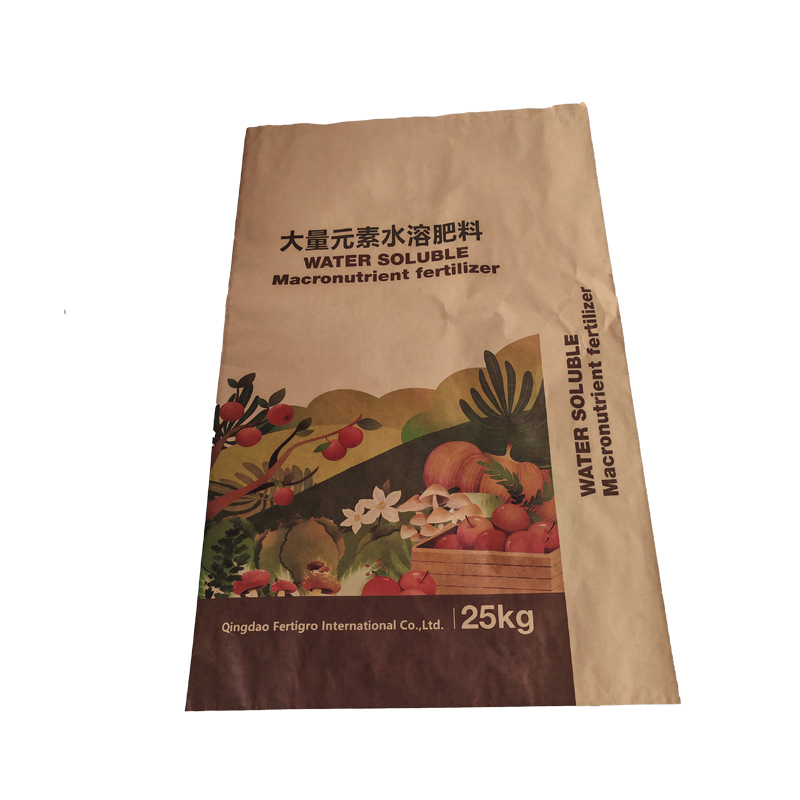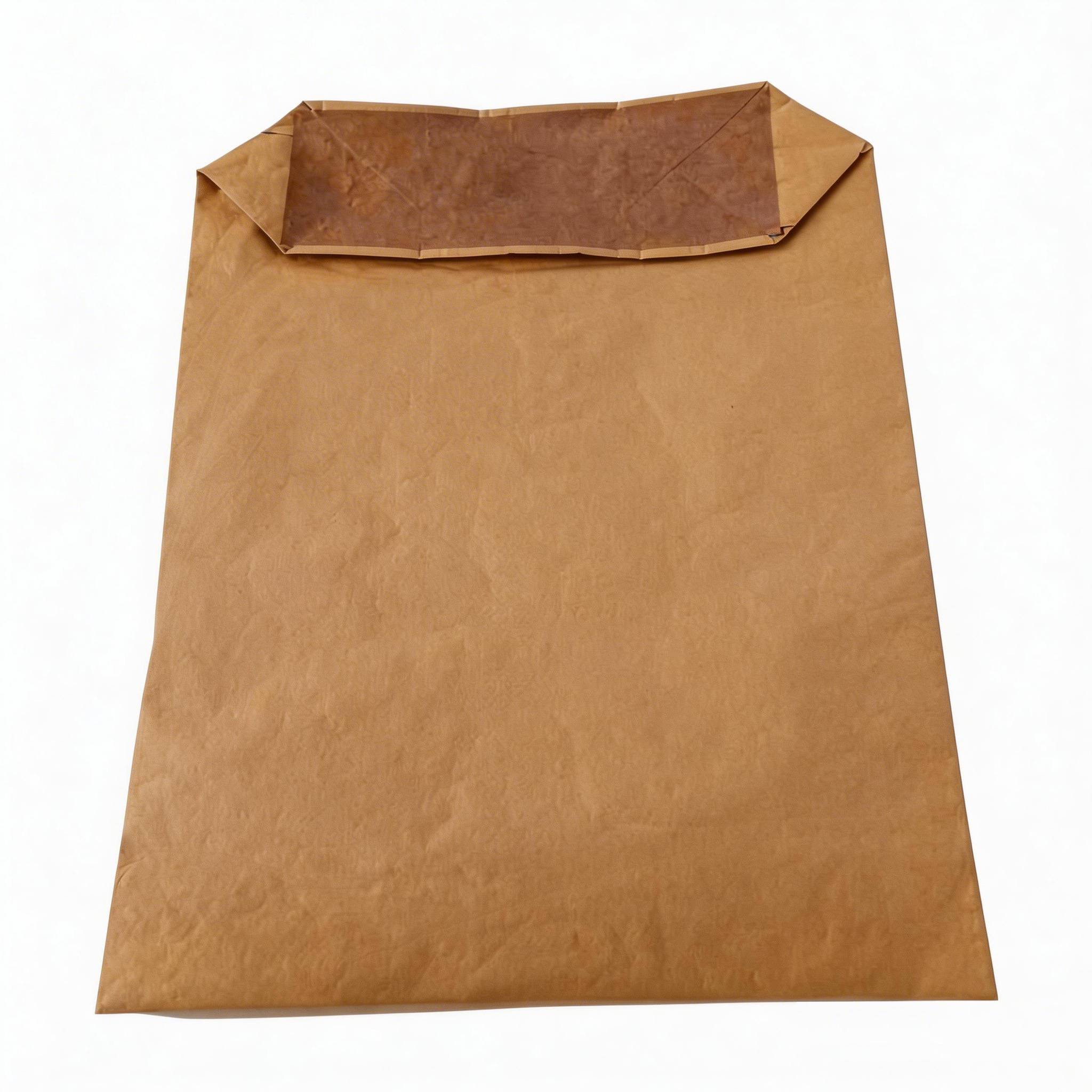
In a high-volume cement plant in Southeast Asia, a modern packaging line fills 1,200 Valve Mouth Paper Bags every hour. Each bag is filled with 50 kg of cement, sealed automatically, and palletized without a single operator touching the bag. The line runs 24 hours a day, seven days a week. This level of productivity is not an anomaly; it is the standard for modern Valve Mouth Paper Bag filling operations. The question is not whether such speeds are possible, but what factors determine the filling speed and how to achieve the optimal rate for a specific product and application. The filling speed of a Valve Mouth Paper Bag is a function of the bag design, the filling equipment, the product characteristics, and the operating parameters.
For manufacturers and plant managers, understanding the factors that influence filling speed is essential for maximizing productivity and minimizing costs. A line that runs at 600 bags per hour instead of 1,200 bags per hour requires twice the labor, twice the floor space, and twice the capital investment for the same output. At Wenzhou Chenxing Packaging Co., Ltd., our factory has been manufacturing Valve Mouth Paper Bags for over a decade, and we have worked with customers around the world to optimize their filling operations. This article will examine the filling speeds achievable with modern Valve Mouth Paper Bag lines, the factors that determine those speeds, and the strategies for achieving the highest possible throughput. We will also provide detailed specifications for our Valve Mouth Paper Bags and the filling equipment they are designed to work with.
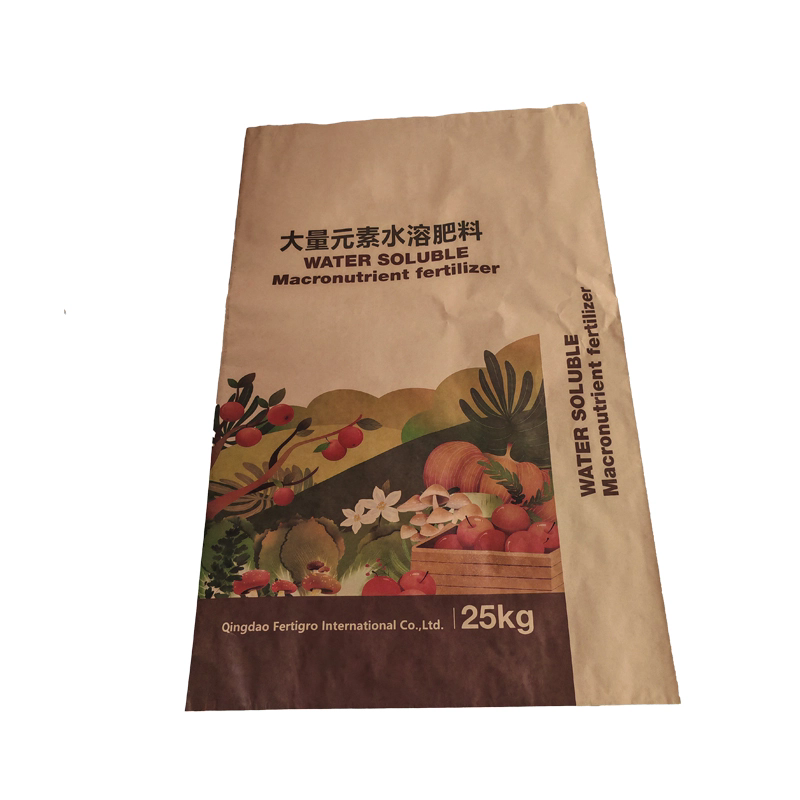
The filling speed of a Valve Mouth Paper Bag depends on the type of filling equipment, the size of the bag, the density and flow characteristics of the product, and the level of automation. On a modern, high-speed automated line, a Valve Mouth Paper Bag can be filled at speeds ranging from 600 to 1,200 bags per hour. For smaller bags (10-25 kg) with free-flowing products, speeds of up to 1,500 bags per hour are achievable. For larger bags (50 kg) with less free-flowing products, speeds of 600-800 bags per hour are typical. On semi-automatic lines, where the operator manually places the bag on the filling spout, speeds are lower, typically 200-400 bags per hour. The table below summarizes the typical filling speed ranges for different line configurations and bag sizes.
| Line Type | Bag Size (kg) | Typical Speed (bags/hour) | Operator Involvement |
| Fully Automatic (High Speed) | 10 - 25 | 1,000 - 1,500 | Minimal (supervision only) |
| Fully Automatic (High Speed) | 50 | 800 - 1,200 | Minimal (supervision only) |
| Semi-Automatic | 10 - 25 | 400 - 600 | Operator places bag |
| Semi-Automatic | 50 | 200 - 400 | Operator places bag |
| Manual | Any | 100 - 200 | Full operator involvement |
At Wenzhou Chenxing Packaging Co., Ltd., our Valve Mouth Paper Bags are designed to perform reliably at these speeds. We use high-strength kraft paper and precision manufacturing to ensure that every bag can withstand the pressure and handling of high-speed filling. We also work with our customers to select the right bag design and filling equipment for their specific speed requirements.
The design of the Valve Mouth Paper Bag has a direct impact on the filling speed. The most important design features are the valve size and position, the bag dimensions, the paper porosity, and the bag construction. The valve is the opening through which the product enters the bag. A larger valve allows faster flow, but it must also be designed to seal properly after filling. The position of the valve (corner, center, or side) affects how the bag sits on the filling spout and how the product flows into the bag. The bag dimensions—length, width, and gusset—affect the volume and the fill rate. The paper porosity affects how quickly air can escape from the bag during filling, which is critical for high-speed filling. If the air cannot escape quickly enough, the bag will balloon and the filling speed will be limited.
The construction of the bag also matters. A multi-wall bag with a polyethylene liner is more robust, but the liner can reduce porosity and slow the filling process. A bag with a high-strength outer layer and a porous inner layer can achieve a good balance between strength and air permeability. The table below summarizes the key bag design features and their impact on filling speed.
| Bag Design Feature | Impact on Filling Speed | Recommendation |
| Valve Size | Larger valve = faster flow | Optimize for product and bag size |
| Valve Position | Corner valve for easy spout alignment | Standard for high-speed lines |
| Bag Dimensions | Larger bag = more volume per cycle | Match to product density and weight |
| Paper Porosity | Higher porosity = faster air escape | Select based on product fineness |
| Bag Construction | More plies = stronger but slower | Balance strength and air permeability |
| Liner Type | PE liner reduces porosity | Use only when moisture barrier is required |
At our factory, we work with our customers to optimize the design of their Valve Mouth Paper Bags for their specific filling equipment and product. We offer a range of valve sizes and positions, paper porosities, and bag constructions. We also provide samples for trial runs on our customers' filling lines, allowing them to verify the performance of the bag before placing a full order.
The filling equipment is the other half of the speed equation. Even the best-designed Valve Mouth Paper Bag cannot achieve high speeds on a poorly maintained or improperly adjusted filling line. The key components of a high-speed filling line include the bag magazine, the bag transfer mechanism, the filling spout, the weighing system, the sealing system, and the palletizer. Each of these components must be properly designed, maintained, and synchronized to achieve maximum throughput. The filling spout, in particular, is critical. It must be sized to match the valve opening of the bag, and it must be designed to deliver the product at the optimal flow rate. If the spout is too small, the flow will be restricted. If it is too large, the bag may not seat properly on the spout.
The weighing system is also critical. An accurate and fast weighing system ensures that each bag is filled to the correct weight without overfilling or underfilling. Overfilling wastes product and can cause bag failure. Underfilling results in rejected bags. The sealing system must be capable of sealing the bag securely at high speed. The table below summarizes the key equipment components and their role in achieving high filling speeds.
| Equipment Component | Function | Impact on Speed |
| Bag Magazine | Holds and feeds empty bags | Must feed bags without jams |
| Bag Transfer | Moves bag to filling spout | Fast and precise positioning |
| Filling Spout | Delivers product into bag | Optimal flow rate and spout size |
| Weighing System | Measures product weight | Fast and accurate weighing |
| Sealing System | Seals bag after filling | Fast and reliable sealing |
| Palletizer | Stacks filled bags on pallets | High-speed stacking without damage |
At Wenzhou Chenxing Packaging Co., Ltd., we work closely with filling equipment manufacturers to ensure that our Valve Mouth Paper Bags are compatible with their systems. We also provide technical support to our customers to help them optimize their filling line settings for maximum speed and reliability.
The characteristics of the product being filled have a significant influence on the achievable filling speed. The most important characteristics are the particle size distribution, the bulk density, the flowability, the moisture content, and the abrasiveness. Fine powders, such as cement and flour, have a high surface area and tend to trap air, which can slow the filling process if the bag is not sufficiently porous. Granular products, such as sugar and salt, flow more easily and can be filled at higher speeds. Products with high moisture content tend to be sticky and can clog the valve, reducing speed. Abrasive products can wear the filling spout and the bag valve, requiring more frequent maintenance and reducing speed over time. The table below summarizes the impact of product characteristics on filling speed.
| Product Characteristic | Impact on Filling Speed | Recommendation |
| Fine Powder | Air entrapment slows filling | Use high-porosity paper; optimize spout |
| Granular | Free-flowing; high speed possible | Standard bag design is sufficient |
| High Moisture | Sticky; can clog valve | Reduce moisture; use release coating |
| High Abrasiveness | Wear on spout and valve | Use wear-resistant materials |
| Low Bulk Density | Larger bag needed for same weight | Adjust bag size and valve |
At our factory, we have extensive experience in designing Valve Mouth Paper Bags for a wide range of products. We can advise our customers on the optimal bag design for their specific product characteristics. We also offer a range of paper porosities and surface treatments to improve flow and reduce clogging.
Optimizing the filling speed of a Valve Mouth Paper Bag line requires a systematic approach that considers the bag design, the filling equipment, the product characteristics, and the operating parameters. The following are the key parameters that should be optimized. The first is the filling pressure. The pressure of the air or the product being forced into the bag must be high enough to overcome the resistance of the bag and the product, but not so high that it causes the bag to burst or the product to be compacted excessively. The second is the filling time. The time allowed for filling must be sufficient to deliver the required weight of product, but not so long that it limits throughput. The third is the bag handling time. The time required to place the bag on the spout, fill it, seal it, and remove it must be minimized. The fourth is the maintenance schedule. Regular maintenance of the filling equipment is essential to prevent downtime and maintain speed.
The table below summarizes the key optimization parameters and their recommended ranges.
| Parameter | Recommended Range | Impact on Speed |
| Filling Pressure | 0.5 - 2.0 bar (depending on product) | Higher pressure = faster filling, but risk of bag damage |
| Filling Time | 2 - 5 seconds per bag | Shorter time = higher speed, but risk of underfilling |
| Bag Handling Time | < 1 second per bag | Minimize with automation |
| Maintenance Interval | Daily inspection; weekly cleaning | Prevents downtime and maintains speed |
At Wenzhou Chenxing Packaging Co., Ltd., we work with our customers to optimize these parameters for their specific application. We provide detailed technical data on our Valve Mouth Paper Bags, including air permeability, tensile strength, and valve dimensions. We also offer on-site technical support to help our customers achieve the highest possible filling speeds.
A Valve Mouth Paper Bag that is designed for high-speed filling must meet specific specifications for strength, porosity, valve design, and construction. The table below provides a summary of the key specifications for our high-speed Valve Mouth Paper Bags.
| Specification | Value / Description | Importance for Speed |
| Paper Basis Weight | 70 - 100 gsm per ply | Higher weight for strength at speed |
| Tensile Strength (MD) | > 6.0 kN/m | Resists stress during high-speed filling |
| Air Permeability (Gurley) | 10 - 25 seconds | Allows rapid air escape during filling |
| Valve Size | 100 - 150 mm | Optimized for high flow rate |
| Valve Position | Corner or center | Easy alignment with filling spout |
| Number of Plies | 2 - 4 | Balance of strength and porosity |
| Liner | Optional PE or none | PE reduces porosity; use only if needed |
| Bag Weight Capacity | 10 - 50 kg | Match to product and line capacity |
At our factory, we manufacture Valve Mouth Paper Bags to these specifications and can customize them to meet the specific requirements of our customers. We use high-strength kraft paper from certified suppliers, and we test every batch for tensile strength, porosity, and valve performance. Our goal is to provide our customers with bags that deliver reliable performance at the highest possible speeds.
Question 1: What is the maximum filling speed achievable with a Valve Mouth Paper Bag?
Answer: The maximum filling speed depends on the bag size, the product, and the filling equipment. On a fully automatic high-speed line, speeds of up to 1,500 bags per hour are achievable for small bags (10-25 kg) with free-flowing products. For 50 kg bags, speeds of 800-1,200 bags per hour are typical. The key to achieving these speeds is a combination of high-quality bags, well-maintained equipment, and optimized operating parameters.
Question 2: How does paper porosity affect filling speed?
Answer: Paper porosity is critical for high-speed filling. During filling, air inside the bag must escape to make room for the product. If the paper is not porous enough, the air cannot escape quickly, and the bag will balloon, slowing the filling process. Higher porosity allows faster air escape and higher filling speeds. Our high-speed Valve Mouth Paper Bags are designed with controlled porosity to optimize filling speed.
Question 3: Can I increase the filling speed by using a larger valve?
Answer: A larger valve can allow faster flow, but it must be balanced against the need for a secure seal after filling. If the valve is too large, it may not seal properly, leading to leaks. The optimal valve size depends on the product and the bag size. Our technical team can help you select the right valve size for your application.
Question 4: What maintenance is required to maintain high filling speeds?
Answer: Regular maintenance of the filling equipment is essential to maintain high speeds. This includes daily inspection of the filling spout for wear, weekly cleaning of the bag magazine and transfer mechanisms, and periodic calibration of the weighing system. Worn or misaligned components can cause jams and downtime, reducing the effective filling speed. At Wenzhou Chenxing Packaging Co., Ltd., we provide maintenance guidelines for our bags and can advise on equipment maintenance.
Question 5: How can I test the filling speed of a Valve Mouth Paper Bag before placing a large order?
Answer: We recommend requesting samples of our Valve Mouth Paper Bags for trial runs on your filling line. This allows you to verify the performance of the bag under your actual operating conditions. Our technical team can work with you to select the right bag design for your trial, and we can provide support during the trial to help you optimize the filling parameters.
The filling speed of a Valve Mouth Paper Bag on a modern packaging line is determined by a combination of factors: the bag design, the filling equipment, the product characteristics, and the operating parameters. By optimizing each of these factors, manufacturers can achieve filling speeds of 1,000 bags per hour or more, dramatically improving productivity and reducing costs. At Wenzhou Chenxing Packaging Co., Ltd., our factory has the expertise and the experience to help our customers achieve these speeds. We manufacture high-quality Valve Mouth Paper Bags that are designed for high-speed filling, and we provide technical support to help our customers optimize their filling operations.
Whether you are setting up a new packaging line or looking to improve the speed of an existing one, we invite you to contact us to discuss your requirements. We can provide samples, technical data, and application support. Our commitment to quality and customer satisfaction has made us a trusted partner for businesses around the world.
Contact Wenzhou Chenxing Packaging Co., Ltd. today to discuss your Valve Mouth Paper Bag requirements and discover how our bags can improve the speed and efficiency of your packaging line.
-