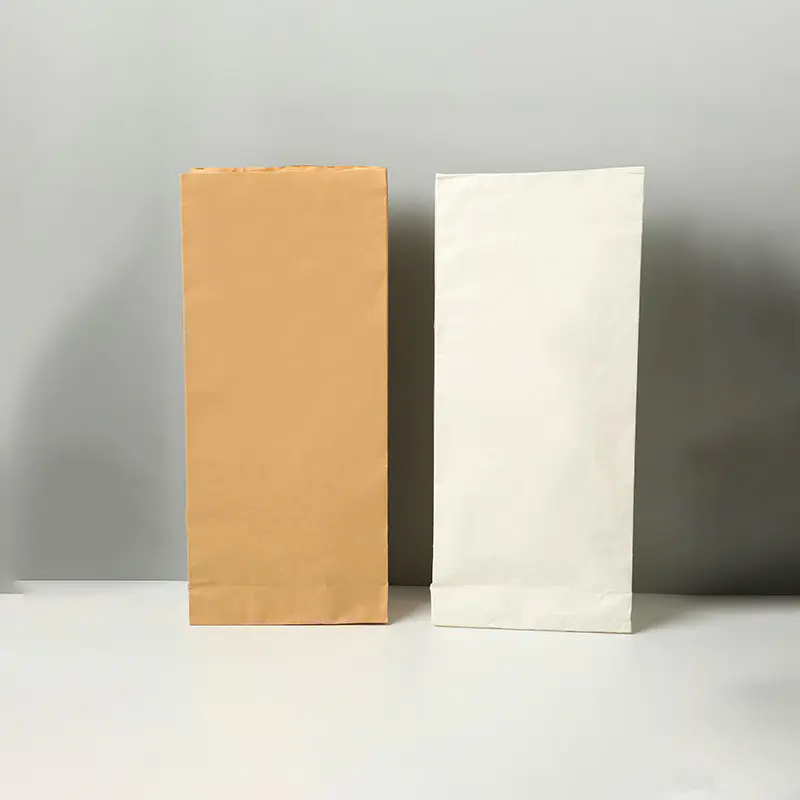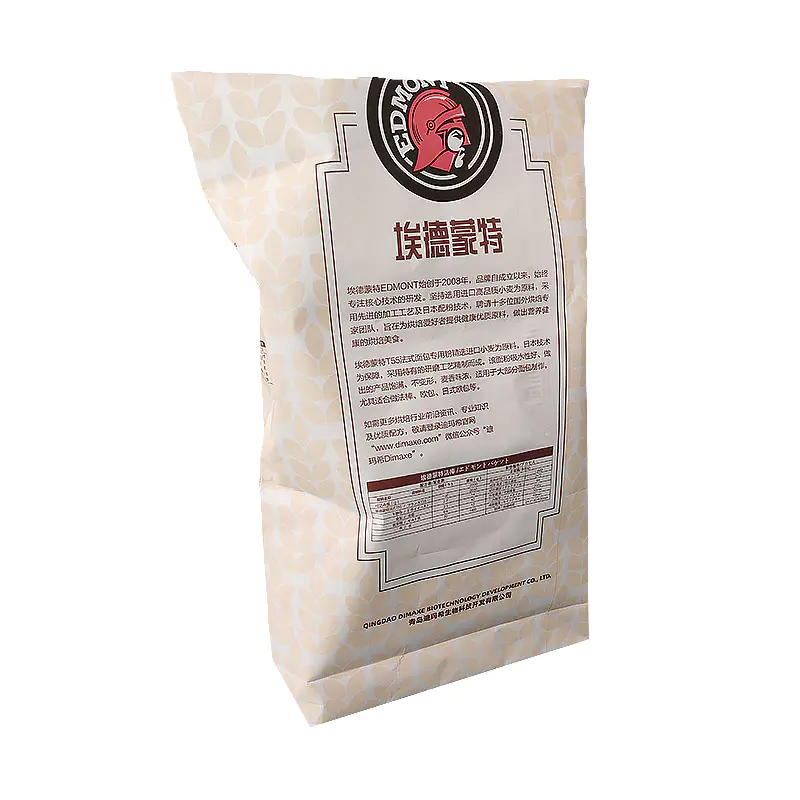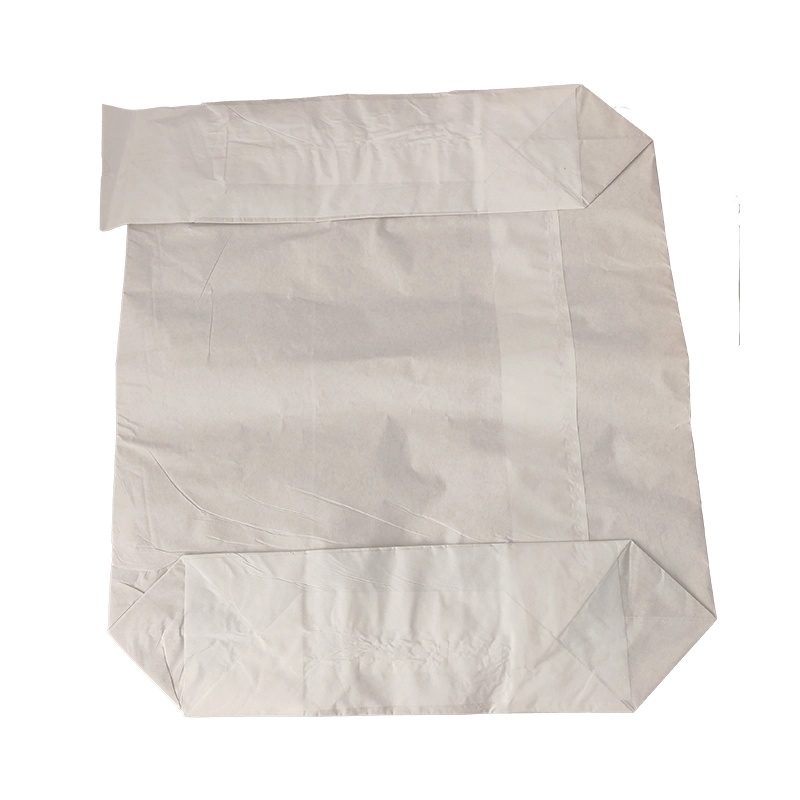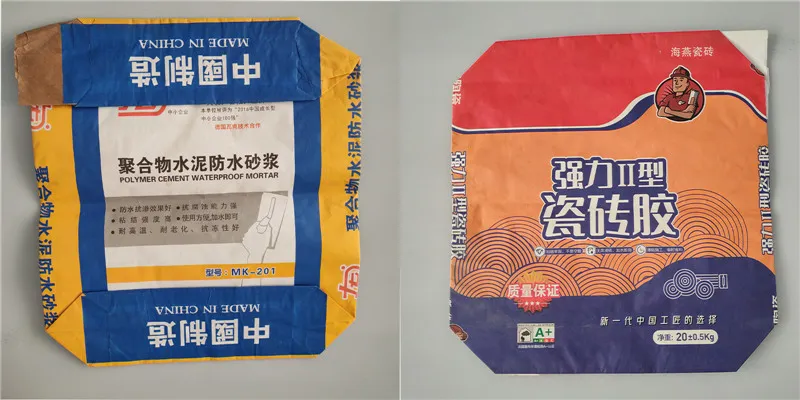
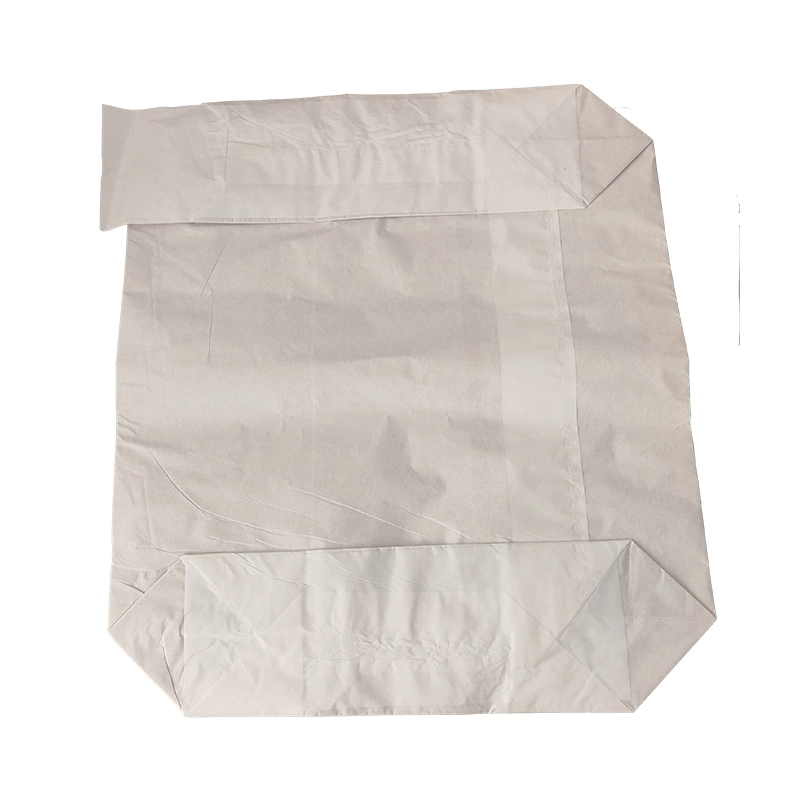
Dust and material spillage during industrial filling can increase product losses, cleaning costs, operator exposure, and packaging line downtime. A Valve Mouth Paper Bag helps address these problems through a filling structure that allows material to enter through a dedicated valve opening rather than through a large open top. When the valve is correctly designed and matched to the filling equipment, the bag can support a more controlled filling process, reduce unnecessary exposure of the product to the surrounding environment, and limit the amount of material escaping during handling. Its effectiveness, however, depends on more than the presence of a valve. Paper strength, valve geometry, air evacuation, filling pressure, powder characteristics, and closure performance all influence the final result.
For purchasing managers, packaging engineers, and industrial material suppliers, selecting the right bag means balancing filling efficiency, packaging cost, product protection, and operational reliability. Wenzhou Chenxing Packaging Co., Ltd approaches this purchasing decision from the perspective of practical packaging requirements, helping buyers identify which construction details deserve attention before placing an order. This guide explains the mechanisms behind dust and spillage reduction, the specifications buyers should confirm, and the questions that help distinguish a suitable packaging solution from one that merely looks appropriate in a product catalogue.
1. How Does Valve Design Reduce Dust and Material Spillage?
2. What Paper Construction and Bag Specifications Should Buyers Evaluate?
3. Why Does Filling Equipment Compatibility Matter for Dust Control?
4. How Can Buyers Verify Quality Before Ordering in Bulk?
5. Conclusion and Purchasing Recommendations
The main functional difference between a valve bag and a conventional open-mouth bag is the way material enters the package. A valve bag incorporates a dedicated inlet sleeve or valve assembly, allowing a filling nozzle to deliver material through a relatively confined opening. After filling, the valve can close through pressure from the contents, the interaction of the valve components, or an additional closure method, depending on the construction. This arrangement can reduce the period during which the product is exposed to the surrounding air and eliminate the need for operators to close a large open mouth immediately after filling.
For fine powders, this matters because dust is generated when particles become airborne during movement, impact, or air displacement. As material enters a bag, the incoming product occupies volume and displaces air already inside. If the air has no suitable escape route, pressure can build up and force dust-laden air through the inlet, seams, or other openings. A well-matched valve and filling system helps control the product entry point, while an appropriate air management arrangement reduces uncontrolled discharge. The result depends on the entire filling system, not the bag opening alone.
A properly sized valve provides a defined connection between the filling nozzle and the bag. Compared with filling through a wide-open mouth, this connection can limit the exposed area through which particles escape. The valve sleeve also helps guide material into the bag and can reduce accidental spillage caused by poor alignment or operator handling.
Several design characteristics deserve attention during procurement:
None of these features independently guarantees dust-free filling. Their purpose is to create a controlled interface between the bag and the filling equipment. The complete design must accommodate the actual product, operating pressure, filling speed, and handling process.
Once the filling nozzle is removed, the valve opening becomes a potential exit point for residual particles. Some valve designs rely on pressure from the filled contents to close the sleeve, while others use a construction that supports internal closure or requires additional sealing. The effectiveness of this arrangement depends on particle size, product flow characteristics, valve dimensions, and the amount of material remaining in the valve channel.
Free-flowing granules and fine powders behave differently. Granules may settle relatively quickly, but they can still escape through an inadequately closed opening. Fine powders may remain suspended in the air inside the package or migrate through small gaps, particularly when the material contains a large proportion of very small particles. Cohesive powders may also accumulate around the valve and interfere with consistent closure.
For this reason, purchasing teams should clarify the expected closure mechanism rather than assuming every valve bag seals in the same way. If the contents are moisture-sensitive, dusty, or valuable, the buyer may need to evaluate additional sealing or barrier requirements. A valve bag should not automatically be treated as hermetic or completely dust-tight without supporting evidence.
| Material characteristics | Potential filling challenge | Valve design considerations |
| Fine cement or mineral powder | Airborne dust and air displacement during rapid filling | Evaluate nozzle fit, dust extraction, air management, and valve closure. |
| Dry chemical powder | Dust migration, contamination, or moisture sensitivity | Confirm compatibility, barrier requirements, and suitable closure methods. |
| Starch and other food-related powders | Powder leakage, hygiene requirements, and product contamination risks | Specify appropriate material compliance, clean handling, and filling conditions. |
| Pellets and granular materials | Spillage around the filling nozzle and during bag removal | Check valve opening size, material flow, and closure consistency. |
| Cohesive or aerated powders | Variable flow, trapped air, and inconsistent settling | Assess valve geometry, filling pressure, and the need for controlled deaeration. |
This comparison should be used as a starting point for a technical discussion, not as a substitute for product-specific validation. Two materials within the same industry can behave differently because of particle size distribution, bulk density, moisture content, and flowability.
A common procurement mistake is to focus on the bag body while overlooking the valve as a functional component. A strong paper body cannot compensate for an opening that does not fit the filling nozzle. Likewise, a correctly sized valve may still produce poor results if its attachment is inconsistent or the filling machine delivers material faster than the system can manage displaced air.
Our recommendation is to assess the valve assembly as part of the complete packaging system. Request a drawing or sample that identifies the valve dimensions, material composition, attachment method, and intended filling orientation. During sample trials, observe whether the nozzle connects securely, whether material escapes during filling, and whether the valve closes consistently after the bag is removed.
Chenxing Packaging can use these requirements as a basis for discussing the appropriate bag configuration with prospective buyers. A detailed application brief helps establish whether the proposed design is suitable for the material and equipment, rather than relying on a generic description of dust control performance.
Ultimately, a valve opening minimizes opportunities for uncontrolled material escape by providing a more contained filling route. The extent of the improvement depends on correct design, equipment compatibility, and a closure arrangement suited to the product. Buyers who evaluate all three are better positioned to reduce avoidable waste and improve packaging line consistency.
Valve design controls the entry point, but the bag body must withstand the stresses created by filling, stacking, transportation, and storage. Paper quality, ply construction, bag dimensions, seam integrity, and any moisture barrier can influence whether the package remains intact and whether material escapes through unintended openings. When purchasing industrial packaging, buyers should treat the bag as an engineered component rather than a simple paper container.
Paper bags are commonly manufactured using one or more paper plies, with construction selected according to the required load, product characteristics, and distribution conditions. Multi-ply construction can improve the ability of the package to withstand handling stresses when the paper grades, seams, and overall geometry are properly selected. However, adding more layers does not automatically guarantee a stronger or more suitable package. Paper properties, conversion quality, humidity, and the way the bag is filled all contribute to the finished result.
Buyers should request measurable information about the paper and finished bag. Specifications should describe the intended construction clearly enough that different suppliers can be compared on a consistent basis.
These characteristics should be assessed together. A paper grade with a suitable grammage may still be unsuitable if it has insufficient strength for the package size or if the finished seams are inconsistent. Similarly, a high-strength bag body may not perform as intended if the valve attachment becomes a weak point.
Nominal capacity is not enough to determine whether a bag will suit a particular filling line. Dimensions influence how the package fits the machine, how it is supported during filling, and how efficiently filled bags can be stacked or palletized. Buyers should distinguish between the external dimensions of the bag, the useful internal volume, and the actual product mass that can be accommodated under the intended filling conditions.
| Specification | Typical unit or format | What the buyer should confirm |
| Bag width | Millimetres or centimetres | Finished width, manufacturing tolerance, and compatibility with filling and stacking equipment. |
| Bag length | Millimetres or centimetres | Finished length and whether the dimensions allow stable handling after filling. |
| Gusset dimensions | Millimetres or centimetres, where applicable | Whether the design includes gussets and how they affect the filled shape and pallet arrangement. |
| Paper grammage | Grams per square metre | Target grammage, tolerance, paper grade, and whether the specification applies to each ply. |
| Number of plies | Specified layer count | Paper-layer configuration and any additional film or barrier components. |
| Valve dimensions | Millimetres | Opening diameter or width, sleeve length, position, and fit with the filling nozzle. |
| Filling capacity | Kilograms per bag or another agreed unit | Target net product mass based on actual bulk density, filling behavior, and bag construction. |
| Moisture protection | Defined material or barrier specification | Whether a liner, coating, or other barrier is required and how its performance will be verified. |
The table identifies fields that should be confirmed during specification development. It does not represent a fixed product specification for every paper valve bag. Actual values should be selected according to the material, filling machinery, required bag capacity, and shipping conditions.
Multiple paper plies can create a more robust structure when correctly engineered, but dust containment also depends on the seams, valve, and any openings in the finished bag. Paper porosity can influence air passage, and some filling systems depend on air moving through the bag wall or a dedicated venting arrangement to prevent pressure from building up. Reducing air permeability indiscriminately may therefore create a different problem if the filling equipment needs a controlled path for displaced air.
For fine powders, the packaging engineer should determine whether the bag requires porous paper, a separate venting system, a film liner, or a combination of these features. The correct choice depends on the balance between dust containment, filling speed, product protection, and pressure management. A film liner may help provide a moisture barrier, but its presence does not automatically eliminate dust at the valve or guarantee that the bag will fill efficiently.
Moisture-sensitive products require particular attention. Paper can absorb moisture from the environment, potentially changing its strength and dimensional stability. If the filled bags will be stored in humid warehouses or transported through changing climatic conditions, buyers should specify the expected environment and discuss appropriate protective packaging.
Leakage can occur at several points that are easy to overlook in a catalogue description. A poorly formed bottom seam may open under load. A damaged paper ply can create a pathway for fine particles. An inconsistent valve attachment may allow dust to escape around the inlet. Incorrect bag dimensions can also place extra stress on the seams if the package is forced onto unsuitable equipment.
During sample inspection, examine the bag body, valve area, bottom construction, and all bonded or folded regions. Check whether the paper layers are aligned, whether the valve is securely attached, and whether the bag has visible cuts, holes, or delamination. Where the product is particularly fine or valuable, a suitable leakage assessment should be included in the quality plan.
For our purchasing process, the objective is to link each design feature to a specific requirement. If the product needs moisture protection, identify the barrier requirement. If the filling line requires controlled air release, specify the relevant construction. If bags will be stacked at a defined height, establish the necessary strength and stability criteria.
Wenzhou Chenxing Packaging Co., Ltd should be provided with the intended product, target filling mass, bag dimensions, storage conditions, and equipment details when a quotation is requested. With these inputs, buyers can discuss an appropriate construction instead of choosing a paper grade or ply count in isolation.
A reliable specification does not need to contain every possible material property. It should identify the properties that materially affect the intended application, define how they will be measured, and explain what constitutes acceptable finished-bag performance. This makes supplier comparison more objective and reduces the likelihood of costly changes after mass production has started.
Even a well-designed valve bag can release dust or spill material when it is used with unsuitable filling equipment. The bag, nozzle, product delivery mechanism, air handling arrangement, and bag support system must work together. This is particularly important for powders that entrain air, discharge rapidly, or contain a large proportion of fine particles. For purchasing teams, machine compatibility is therefore part of the packaging specification, not an operational detail to address after the bags have arrived.
During filling, incoming material displaces air from the bag. In pneumatic conveying systems, the delivered powder may also contain entrained air. If this air cannot escape at an appropriate rate, internal pressure can rise and carry fine particles toward the valve opening or other available leakage paths. A poorly aligned nozzle can create additional gaps, while excessive filling velocity may increase turbulence and dust generation.
These effects vary with the product and filling method. Gravity-fed granules may behave differently from fine mineral powders delivered through pneumatic equipment. A bag designed for one process should not automatically be assumed suitable for another, even if the nominal bag capacity is identical.
Several machine-related factors deserve attention:
Air evacuation is a balancing problem. Air must leave the bag or filling system at a rate that avoids excessive internal pressure, but the escape route should not become an uncontrolled path for product particles. If air release is too restricted, filling may slow down, the bag may inflate, or pressure may force material through weak points. If air escapes through an unsuitable opening without adequate dust management, airborne product can contaminate the surrounding area.
Packaging engineers should evaluate the powder's bulk density, particle size distribution, flowability, and tendency to retain air. These properties affect how the material settles and how much air remains between particles during filling. A powder that aerates readily may require a different filling approach from a dense, free-flowing granular product.
Some systems use controlled deaeration or dedicated dust collection to manage these effects. Others rely on the characteristics of the material and the filling equipment. The appropriate configuration should be selected by considering the entire process rather than assuming that every bag needs the same venting structure.
| Filling method | Potential source of dust or spillage | Procurement and process checks |
| Gravity filling | Material bouncing, free-fall dust, and poor nozzle alignment | Check valve fit, drop height, filling rate, and bag support. |
| Pneumatic filling | Entrained air, pressure fluctuations, and airborne fine particles | Review air management, nozzle sealing, and appropriate dust extraction. |
| Impeller or mechanical filling | High material velocity, inconsistent delivery, or mechanical disturbance | Confirm that valve geometry and bag strength suit the filling mechanism. |
| Auger filling | Powder buildup, inconsistent dosing, and dust escaping around the nozzle | Evaluate nozzle clearance, dosing accuracy, valve dimensions, and cleaning requirements. |
| High-speed automated filling | Timing errors, incomplete nozzle engagement, and inconsistent closure | Validate machine settings, bag positioning, and valve-release performance at the intended speed. |
These categories are general process considerations. Individual filling machines may use different mechanisms or combinations of technologies, so the actual equipment manual and operating conditions should guide the evaluation.
A filling trial is often more informative than reviewing a bag drawing alone. The buyer should arrange a controlled trial using representative product and the intended equipment, with the proposed bag construction. Where possible, compare the candidate design against the current packaging system under the same operating conditions.
Where dust exposure presents a significant occupational or environmental concern, visual observation should be supplemented by suitable measurement methods and workplace controls. An informal trial cannot establish compliance with every applicable exposure or emissions requirement.
Responsibility for packaging performance is shared across the supply chain. The bag supplier needs accurate information about the product and equipment, while the filling plant needs clear specifications for the package it will receive. If these details are not communicated, a bag can meet its nominal dimensions but still be difficult to use on the production line.
Buyers should provide a machine drawing or valve interface specification where available. They should also communicate the target fill mass, the product's basic physical properties, the required output rate, and any known issues with dust, static electricity, or moisture. The supplier should identify any unresolved compatibility questions before production approval.
Wenzhou Chenxing Packaging Co., Ltd recommends discussing these factors early, especially when the buyer is changing from an open-mouth bag, modifying the filling machine, or introducing a new powder. Early coordination helps avoid repeated sampling and reduces the chance that a packaging issue will be mistaken for a machine fault.
The main principle is that dust reduction depends on controlled material entry and managed air movement. A valve bag can contribute significantly to that objective, but the equipment must create the conditions for it to work as intended. Buyers who include the filling plant in the specification process are more likely to achieve repeatable results at commercial production speeds.
Bulk purchasing decisions should be based on a defined specification, representative samples, and agreed acceptance criteria. Packaging defects can become expensive when they affect thousands of bags, interrupt a filling line, or allow product to escape during storage and transport. A structured approval process helps purchasing teams identify those risks before committing to a full production run.
The documentation required depends on the product, destination market, and application. For an ordinary industrial powder, a technical specification and appropriate quality records may be sufficient. For food-contact, chemical, or regulated applications, additional documentation may be necessary. Buyers should not assume that every bag carries the same certifications or is suitable for every product category.
Document names alone do not establish product quality. Buyers should check that each document applies to the actual bag construction being purchased and that any performance claim is supported by a relevant method or test result.
The approved sample should represent the intended production construction as closely as possible. A sample with a different paper grade, valve assembly, or liner may not predict how the final order will perform. If the design is still under development, buyers should identify the sample version and list the outstanding specifications that must be confirmed before production release.
Use a sample evaluation sheet that covers both visual quality and functional suitability. The visual review should include paper condition, printing where applicable, dimensions, valve placement, seam appearance, and visible defects. The functional review should consider filling compatibility, closure, bag handling, and the product's required protection.
| Inspection stage | What to check | Suggested purchasing record |
| Incoming sample review | Dimensions, paper construction, valve position, workmanship, and visible damage | Sample approval checklist and measured values |
| Filling trial | Nozzle fit, filling stability, dust escape, and spillage | Trial conditions, observations, and defined results |
| Finished-bag evaluation | Closure behavior, leakage, handling strength, and product compatibility | Test report or documented inspection findings |
| Pre-production approval | Final specification, material details, and any outstanding requirements | Signed or otherwise documented approval record |
| Bulk production inspection | Consistency with the approved sample and specification | Sampling plan, defect records, and corrective actions |
| Shipment release | Quantity, packaging condition, identification, and agreed documentation | Final inspection and shipping records |
Terms such as premium quality, strong paper, and low dust are too broad to serve as effective purchasing requirements. A useful acceptance criterion identifies the property being assessed, the measurement or inspection method, and the limit that separates acceptable from unacceptable results.
For example, dimensional tolerances can be written directly into the specification. Paper grammage can be linked to an agreed range and measurement procedure. Valve placement can be checked against a drawing. If the buyer needs a defined leakage or filling-performance requirement, the test method and operating conditions should be agreed before the trial begins.
Not every characteristic needs a numerical limit. Some workmanship requirements can be defined using an approved reference sample and a clear defect classification. However, where product safety, material loss, or process performance is at stake, vague descriptions should be replaced with measurable or otherwise verifiable criteria.
Price comparisons are meaningful only when the products being quoted are technically comparable. A lower unit price may reflect a different paper grade, fewer plies, a different valve construction, or reduced moisture protection. These differences are not automatically unacceptable, but they must be visible to the buyer before the purchasing decision.
Compare suppliers using a common specification covering dimensions, construction, target capacity, valve design, relevant performance requirements, order quantity, delivery schedule, and packaging configuration. Ask suppliers to identify deviations explicitly rather than allowing alternative specifications to remain hidden in a quotation.
Also consider the operating cost of the packaging. If a bag is difficult to fit to the nozzle, generates excessive cleanup, or causes frequent line interruptions, the apparent unit-price saving may be offset by additional labor and material loss. A realistic cost comparison should include these operational factors where reliable data are available.
Repeat orders should be controlled through the approved technical specification and a documented change-management process. If the paper grade, adhesive, liner, valve dimensions, or manufacturing method changes, the buyer should understand whether the change affects the original performance assessment. A change that appears minor may alter filling compatibility or bag integrity.
Our purchasing guidance is to retain an approved sample, maintain a revision-controlled specification, and define which changes require prior approval. Production inspections should use a suitable sampling plan based on the order size, defect risk, and agreed quality requirements. If a defect occurs, records should help identify whether the cause relates to materials, conversion, storage, transport, or filling equipment.
Wenzhou Chenxing Packaging Co., Ltd can discuss the information needed to develop a suitable specification for a particular packaging application. Buyers should provide the product type, required capacity, target dimensions, filling process, storage conditions, and destination market so that the technical requirements can be evaluated before quotation and sample approval.
A disciplined procurement process does more than reduce the risk of receiving defective bags. It establishes a shared understanding of the product, makes supplier comparisons fairer, and gives the filling plant a clearer basis for stable operation. For businesses purchasing industrial paper packaging at scale, this clarity is often as important as the initial unit price.
A valve-mouth paper bag can help reduce dust and spillage by providing a dedicated filling opening, supporting a more controlled connection to the filling nozzle, and limiting opportunities for material to escape during filling and handling. Its performance also depends on paper construction, valve attachment, air evacuation, filling pressure, product characteristics, and the closure method used after filling.
For purchasing managers, the most effective approach is to specify the complete packaging system. Confirm the paper grade and ply structure, record the finished dimensions, verify the valve interface, and define any requirements for moisture protection, bag strength, leakage control, or filling performance. Where dust reduction is a critical objective, conduct a representative filling trial and document the operating conditions rather than relying on a general marketing description.
Our recommendation is to compare suppliers using consistent technical requirements and to approve samples against measurable acceptance criteria before bulk production. This makes it easier to identify differences in construction, evaluate the total operating cost, and maintain consistency across repeat orders. Wenzhou Chenxing Packaging Co., Ltd welcomes inquiries from buyers seeking to assess valve bag configurations for industrial powders, granules, and other compatible materials.
To discuss your requirements, provide the product being packed, target net weight, bag dimensions, filling machine type, expected filling speed, and any special moisture or dust-control needs. These details help establish a more relevant specification and determine which samples or performance checks are appropriate. Contact Wenzhou Chenxing Packaging Co., Ltd to discuss a suitable packaging configuration, request a quotation, and move forward with a clear technical basis for your next purchasing decision.
A valve-mouth paper bag uses a dedicated inlet that connects to the filling nozzle, reducing the exposed opening through which powder can escape. When the valve fits correctly and the filling system manages displaced air effectively, the arrangement can reduce uncontrolled dust release and spillage. Actual performance depends on the powder characteristics, valve construction, equipment settings, and closure method, so product-specific validation is necessary.
Buyers should confirm bag width and length, valve dimensions and position, paper grammage, ply count, paper grade, seam construction, filling capacity, and any required liner or moisture barrier. They should also communicate the powder's bulk density, particle characteristics, and filling method. These details help the supplier select a construction that fits the equipment and meets the intended strength, containment, and product-protection requirements.
No. A valve bag can reduce some opportunities for dust escape, but it cannot guarantee completely dust-free filling under all conditions. High filling rates, entrained air, poor nozzle alignment, excessive pressure, unsuitable valve dimensions, and very fine particles can still create airborne dust. High-speed applications may require optimized machine settings, suitable air management, effective dust extraction, and validation using representative production conditions.
Compatibility should be checked by comparing the valve opening, sleeve dimensions, insertion method, and bag orientation with the machine's nozzle and support system. A controlled trial using the actual product should then assess filling stability, dosing consistency, dust escape, valve release, closure, and handling. Buyers should record the equipment settings and sample specifications so that successful results can be reproduced during bulk production.
No. Additional plies may improve the bag's structural performance when the paper grades and construction are appropriate, but they do not automatically prevent dust from escaping through the valve or seams. Paper grammage, tensile and tear properties, bonding quality, moisture conditions, valve attachment, and filling pressure also influence performance. Buyers should specify the required construction and verify the finished bag through relevant inspections and application-based testing.
-