Imagine a bustling industrial packaging line where cement powder flows into bags at lightning speed. Workers are covered in dust, the air is thick with particles, and every few minutes a bag tears at the seal. Now imagine another line across the hall, running the same material but with a different bag. It is quiet, clean, and efficient. The bags fill automatically, seal without spillage, and stack neatly on pallets. The difference between these two scenes often comes down to one fundamental choice: valve mouth paper bag versus open mouth bag. This is not a minor detail; it is a decision that affects operational efficiency, worker safety, material waste, and ultimately, the bottom line.
At first glance, both valve mouth paper bags and open mouth bags appear similar—both are multi-wall paper sacks designed to hold bulk materials. However, the difference in their construction, filling mechanisms, and application suitability is profound. A valve mouth paper bag features a small, self-closing inlet (the valve) on one side or corner, allowing for automated, dust-free filling. An open mouth bag, as the name suggests, has a completely open top that must be manually or mechanically filled and then sealed. This article will dissect these differences, exploring the design, manufacturing, filling processes, material compatibility, and practical applications of each bag type. By the end, you will understand why the valve mouth paper bag has become the preferred choice for many high-speed, high-volume packaging operations, and when the open mouth bag remains the more appropriate solution.
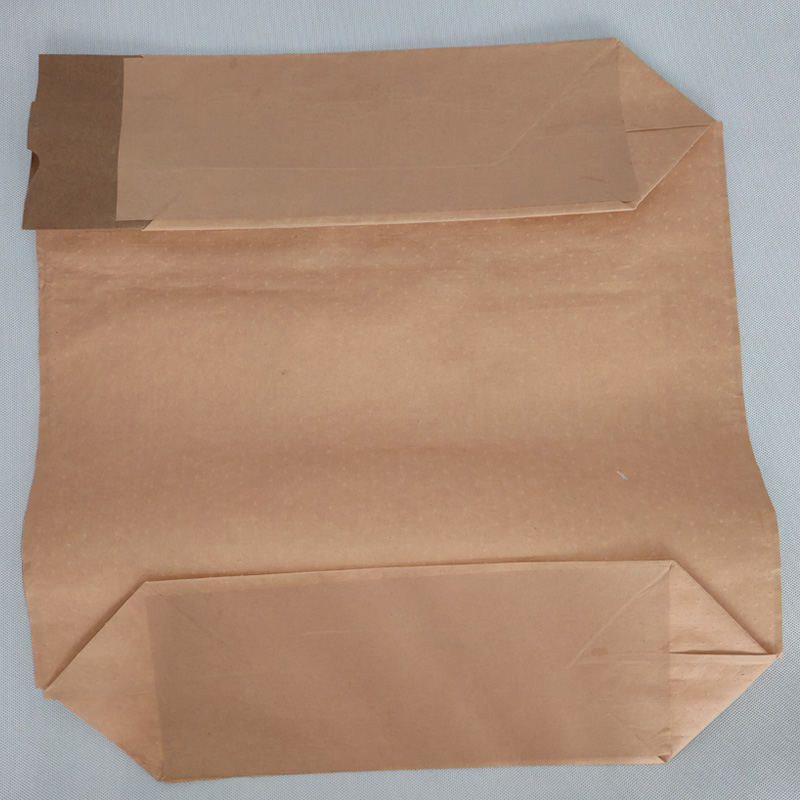
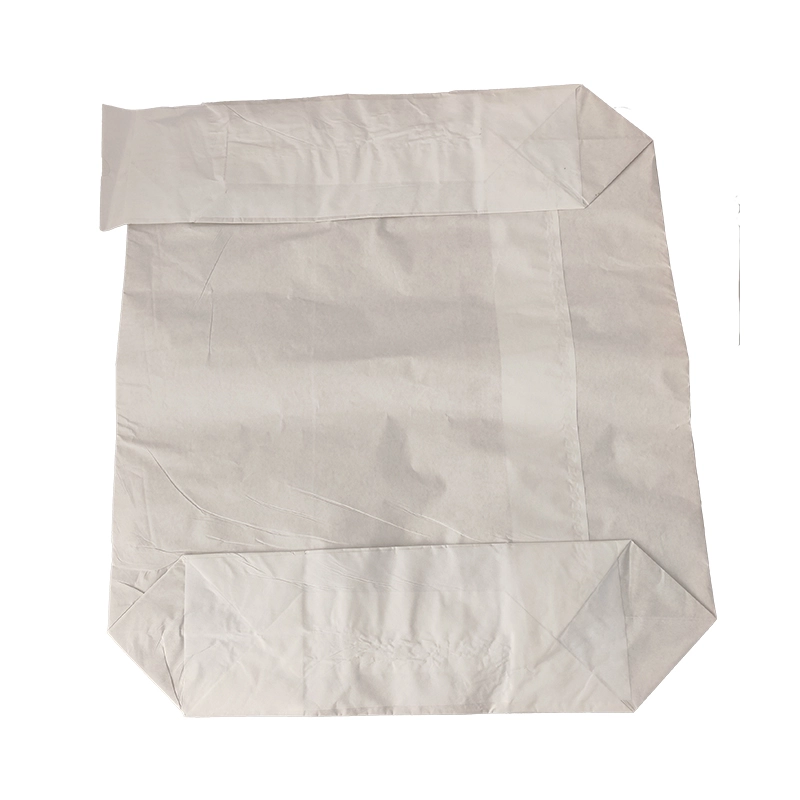
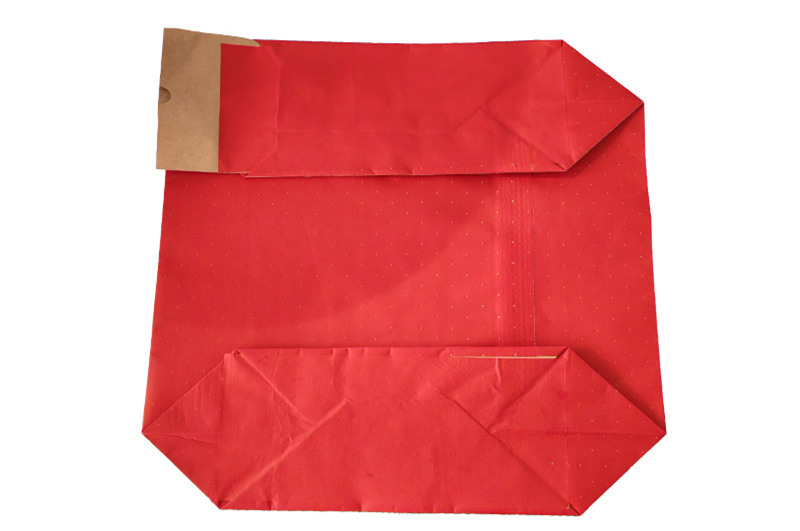
A valve mouth paper bag, also known as a valve sack, is a type of multi-wall paper bag specifically designed for automated filling. The defining characteristic of a valve mouth paper bag is the small, built-in valve opening, typically located at one corner or on the side of the bag. This valve is a precision-engineered feature that allows the bag to be filled on a valve bag filler, a machine that blows the product into the bag through a spout. The valve is designed to be self-sealing: once the filling is complete, the pressure of the product inside the bag pushes the valve flaps shut, effectively sealing the bag without the need for additional heat sealing or stitching in most cases.
The construction of a valve mouth paper bag is more complex than that of an open mouth bag. It begins with the careful design of the valve. The valve is typically composed of two overlapping flaps of paper that form a channel for the filling spout. The flaps are designed to open under filling pressure and close when the pressure is released, creating a tight seal. The valve can be located in a variety of positions: at a corner, near the top center, or on the gusset. The location of the valve often depends on the filling machine requirements and the characteristics of the product being packaged.
In addition to the valve, the overall bag construction is also more sophisticated. Valve mouth paper bags are typically made from multiple layers of high-strength kraft paper, often with an inner liner (such as polyethylene) for moisture protection. The layers are laminated or glued together, creating a robust, multi-wall structure that can withstand the rigors of filling, handling, and transportation. The valve mouth paper bag is designed to maintain its structural integrity, even when filled with heavy or abrasive materials. Our factory at Wenzhou Chenxing Packaging Co., Ltd. produces valve mouth paper bags with precision engineering, ensuring that each bag meets the highest standards of quality and performance.
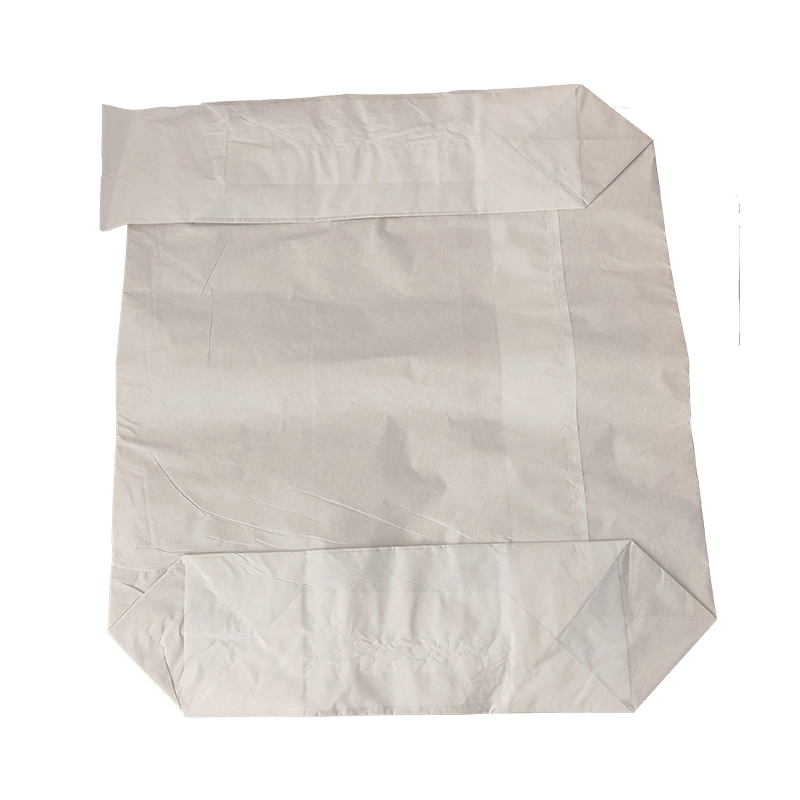
An open mouth bag is a simpler and more straightforward type of packaging. As the name implies, it has a wide, completely open top. This design allows for easy manual or mechanical filling. The bag is typically held open by a machine or a worker, the product is poured or conveyed into the bag, and then the bag is sealed. The sealing method can vary: it may be heat-sealed, sewn, glued, or tied, depending on the material and the application. Open mouth bags are widely used in a variety of industries, from construction to agriculture, for packaging products such as cement, animal feed, and fertilizers.
The construction of an open mouth bag is simpler than that of a valve mouth paper bag. It does not have a built-in valve, so it is typically made from a single sheet of paper that is folded and glued to form a tube. The bottom is sealed, and the top is left open. The open top is usually sealed after filling, often by stitching or heat-sealing. The bag may have a protective inner liner or a moisture-resistant coating, depending on the product's requirements. Because of its simple construction, the open mouth bag is generally less expensive to manufacture.
Open mouth bags are typically filled using a manual or semi-automatic filling system. The bag is placed under a filling head, the bag is opened, the product is dispensed, and then the bag is sealed. This process is slower and more labor-intensive than the automated filling process for valve mouth paper bags. For materials that are dusty or difficult to handle, the open mouth bag can create significant workplace dust and material loss. Additionally, the open mouth bag requires separate sealing equipment, adding to the cost and complexity of the packaging line. While open mouth bags are less expensive and simpler to use, they are not as efficient or dust-free as the valve mouth paper bag.
At Wenzhou Chenxing Packaging Co., Ltd., we understand that different products and different production lines require different packaging solutions. We manufacture both valve mouth paper bags and open mouth bags, ensuring that our customers can choose the best solution for their specific needs. Our open mouth bags are available in a variety of sizes and materials, including custom-printed options. We work with our customers to understand their packaging requirements and to provide a solution that meets their performance and cost requirements.
The filling process is where the fundamental difference between a valve mouth paper bag and an open mouth bag becomes most apparent. For a valve mouth paper bag, the filling operation is typically fully automated and highly efficient. The bag is placed onto a spout, and the product is blown or forced into the bag through the valve. The filling cycle is quick, typically taking just a few seconds per bag. The automatic, spout-based filling not only ensures speed but also minimizes dust and spillage, creating a cleaner and safer work environment. The filling machine can be equipped with a weighing system to ensure accurate filling, and the valve self-seals, eliminating the need for a separate sealing step.
In contrast, the filling process for an open mouth bag is more manual and labor-intensive. The bag must be manually placed under a filling spout or onto a filling machine. The bag is opened, the product is dispensed, and the bag is sealed. This process is slower and requires more labor. The manual handling of the bag also increases the risk of dust exposure, product spillage, and contamination. The filling operation is typically more sensitive to operator skill and can be inconsistent. The open mouth bag requires a separate sealing step (sewing, heat sealing, or gluing), which adds time and costs to the process.
The following table summarizes the key differences in the filling process for valve mouth and open mouth bags.
| Feature | Valve Mouth Paper Bag | Open Mouth Bag |
| Filling Method | Automated spout filling | Manual or semi-automatic filling |
| Filling Speed | Fast (3-5 seconds per bag) | Slow (10-20 seconds per bag) |
| Dust Control | Excellent (enclosed spout system) | Poor (open filling, dust generation) |
| Labor Requirements | Low (one operator) | High (multiple operators) |
| Sealing Process | Self-sealing (no additional step) | Separate sealing required (sewing, heat, glue) |
| Filling Accuracy | High (automated weighing) | Moderate (depends on operator skill) |
| Work Environment | Clean, safe, minimal dust | Dusty, potential health hazards |
For many applications, the valve mouth paper bag offers a significant advantage in terms of filling speed and efficiency. A valve mouth paper bag can be filled and sealed in a fraction of the time required for an open mouth bag. This speed translates to higher throughput and lower labor costs. The automated filling also minimizes the risk of human error, leading to more consistent bag weights and product quality. At Wenzhou Chenxing Packaging Co., Ltd., we have seen customers improve their packing line speed by over 50% simply by switching from open mouth bags to valve mouth paper bags. The key is the automation of the filling process and the self-sealing valve design, which eliminates a manual step.
The choice between a valve mouth paper bag and an open mouth bag is not just about the filling process; it also depends on the product being packaged. The characteristics of the material—its particle size, flowability, density, and abrasiveness—will determine which bag type is most suitable. The product's compatibility with the bag material, the potential for dust generation, and the required containment level are all critical factors. A product that is fine, dusty, and free-flowing, such as flour or cement, is ideally suited for a valve mouth paper bag. The spout filling process controls the dust, and the self-sealing valve prevents leakage.
Products that are more difficult to handle, such as those that are wet, sticky, or have a large particle size, may be better suited to an open mouth bag. For example, agricultural products like potatoes or animal feed may be easier to pour into an open mouth bag than to pneumatically fill through a valve. Similarly, products that require a specific orientation or positioning inside the bag may be more easily handled with an open mouth bag. The table below provides a general guide to product suitability for each bag type.
| Product Characteristic | Valve Mouth Paper Bag | Open Mouth Bag |
| Fine powders (e.g., cement, flour, lime) | Excellent | Poor (dust control) |
| Granular materials (e.g., sugar, salt, fertilizers) | Good | Good |
| Large particles (e.g., aggregates, plastic pellets) | Poor | Good |
| Sticky or moist products | Poor (may clog valve) | Good |
| Abrasive materials | Good (with appropriate liner) | Good (with appropriate liner) |
| Flammable or explosive materials | Requires special grounding | Requires special grounding |
The product's flowability is also a critical factor. Valve mouth paper bags require a product that can flow easily through the valve. For products that are sticky or have poor flowability, the valve can become clogged, leading to filling problems and waste. In such cases, an open mouth bag may be a better choice. However, the addition of a flow agent or the use of a vibratory feeder can often overcome flowability issues. The bag's inner liner also plays a role in product compatibility. For moisture-sensitive products, a valve mouth paper bag with a polyethylene inner liner provides excellent moisture protection.
At Chenxing Packaging, we work with our customers to understand their product characteristics and to recommend the most suitable packaging solution. We offer both valve mouth paper bags and open mouth bags in a range of materials and configurations, including custom-printed designs. We understand that each product is unique, and we are committed to providing a packaging solution that protects the product and optimizes the packaging process.
When comparing valve mouth paper bags and open mouth bags, it is important to look beyond the initial purchase price. The total cost of ownership includes the cost of the bag, the cost of filling and sealing equipment, labor costs, material waste, and environmental disposal costs. While a valve mouth paper bag is typically more expensive to manufacture than an open mouth bag, the savings in labor, dust control, and filling speed often outweigh the higher material cost. A high-speed automated filling line for valve mouth paper bags can be up to three times faster than a manual open mouth bag filling line, significantly reducing labor costs and increasing throughput.
Efficiency is also a major factor. The valve mouth paper bag's self-sealing valve eliminates the need for a separate sealing step, reducing the time and cost of the packaging process. The automated filling operation also minimizes product waste and dust, improving overall efficiency. Open mouth bags are more labor-intensive and require separate sealing equipment, adding to the operational complexity and cost. The dust generated during the filling of open mouth bags can be a significant cost, as it requires more frequent cleaning, additional ventilation, and potentially poses a health hazard to workers.
Environmental impact is an increasingly important consideration. Both valve mouth paper bags and open mouth bags are made primarily from paper, a renewable resource. However, the valve mouth paper bag's superior sealing performance minimizes product loss and spillage, reducing waste. The self-sealing valve also eliminates the need for additional sealing materials (such as thread or glue), reducing the environmental burden. At Wenzhou Chenxing Packaging Co., Ltd., we are committed to sustainable packaging solutions. Our valve mouth paper bags are made from recycled content and are fully recyclable, helping to reduce the environmental footprint of our customers' packaging operations.
The following table provides a comparative summary of the key cost and efficiency factors.
| Factor | Valve Mouth Paper Bag | Open Mouth Bag |
| Material Cost per Bag | Higher | Lower |
| Filling Equipment Cost | Higher (automated) | Lower (manual or semi-automated) |
| Labor Cost per Bag | Lower | Higher |
| Filling Speed | Faster (3-5 seconds/bag) | Slower (10-20 seconds/bag) |
| Material Waste | Lower | Higher |
| Dust Control Cost | Lower | Higher |
| Environmental Impact | Lower (less waste, recyclable) | Higher (more waste, more sealing materials) |
The decision between a valve mouth paper bag and an open mouth bag ultimately depends on the specific application, the product characteristics, and the production volume. For high-volume operations with dusty products, the valve mouth paper bag is almost always the more efficient and cost-effective choice. For lower-volume operations with less demanding product characteristics, an open mouth bag may be more appropriate. At Chenxing Packaging, we help our customers make this decision by providing a detailed analysis of their packaging needs and a clear comparison of the costs and benefits of each option.
Question 1: What is the primary advantage of using a valve mouth paper bag over an open mouth bag?
Answer: The primary advantage of a valve mouth paper bag is the efficiency and cleanliness of its automated filling process. The valve mouth paper bag is designed to be filled on a spout filling machine, which significantly reduces the filling time, minimizes dust and spillage, and eliminates the need for a separate sealing step. This leads to higher throughput, lower labor costs, and a cleaner and safer work environment. Our factory at Wenzhou Chenxing Packaging Co., Ltd. manufactures valve mouth paper bags that are engineered for these high-speed, automated operations.
Question 2: Can a valve mouth paper bag be filled manually, or does it require specialized equipment?
Answer: While a valve mouth paper bag is designed for automated filling, it can be filled manually using a simple hand-held spout or a gravity-fed hopper. However, manual filling is much slower and less efficient than automated filling. For optimal performance, we recommend using a purpose-built valve bag filler, which is specifically designed to handle the spout filling process. The automated equipment also includes weighing and dust control features, making it a more complete and efficient solution.
Question 3: Are valve mouth paper bags more expensive than open mouth bags?
Answer: Yes, valve mouth paper bags are generally more expensive to manufacture than open mouth bags. The additional cost is primarily due to the more complex construction, including the built-in valve and the precise manufacturing required to ensure a reliable seal. However, the higher purchase price is often offset by the lower labor costs, faster filling speeds, and reduced product waste. For high-volume applications, the valve mouth paper bag typically offers a lower total cost of ownership, making it the more cost-effective choice in the long run.
Question 4: What products are best suited for valve mouth paper bags?
Answer: Valve mouth paper bags are ideal for packaging fine, free-flowing, and dusty materials, such as cement, flour, lime, sugar, salt, and chemical powders. They are also suitable for granular materials with good flow characteristics, such as fertilizers and plastic pellets. For products that are sticky, moist, or have large particles, an open mouth bag may be a more appropriate choice. Our factory can provide guidance on the best packaging solution for your specific product.
Question 5: Can valve mouth paper bags be customized with printing and other features?
Answer: Yes, valve mouth paper bags can be customized with printing, including full-color graphics, logos, and product information. We offer a range of printing options at Wenzhou Chenxing Packaging Co., Ltd. to help our customers enhance their brand recognition and provide essential product information. The bags can also be customized with various features, such as different liner materials, valve positions, and sizes, to meet the specific requirements of the product and the packaging line.
Understanding the differences between a valve mouth paper bag and an open mouth bag is essential for optimizing packaging operations, reducing costs, and improving product quality. The valve mouth paper bag offers significant advantages in terms of filling speed, dust control, and automation, making it the preferred choice for high-volume, dusty applications. The open mouth bag, while less expensive and simpler, requires more manual labor and creates more dust, making it suitable for lower-volume applications with less demanding product characteristics. The decision between the two depends on the specific product, the production volume, and the desired level of automation.
At Wenzhou Chenxing Packaging Co., Ltd., we are committed to providing our customers with the highest quality packaging solutions. We offer a comprehensive range of valve mouth paper bags and open mouth bags, designed to meet the most demanding requirements. Our team of experts can help you select the right bag for your product and provide guidance on the most efficient packaging system. We invite you to contact us to discuss your packaging needs and discover how our products can improve your operations.
Contact Wenzhou Chenxing Packaging Co., Ltd. today to learn more about our valve mouth paper bag and open mouth bag solutions.