Placing a bulk order for Valve Mouth Paper Bags without a structured verification process is a gamble. The bags may look correct in a photograph or a small sample, but the real test comes when they are filled at high speed on an automated spout line, stacked on a pallet, and transported across the country. A bag that fails at the valve, at the seam, or at the bottom will cause product spillage, production downtime, and costly rework. For procurement managers, the verification step is not a formality—it is the last opportunity to catch a quality problem before hundreds of thousands of bags are manufactured. The question is not whether the supplier can produce a good sample, but whether the production run will match the sample consistently.
This guide is written for buyers who need to verify Valve Mouth Paper Bag quality before committing to a bulk order. We will walk through the verification process step by step: what to check in the sample, how to test the valve function, how to measure seam strength, how to assess paper quality and print, and how to evaluate the supplier's quality control system. We will also provide detailed product parameters from our factory at Wenzhou Chenxing Packaging Co., Ltd. Whether you are sourcing bags for cement, chemicals, minerals, or agricultural products, this guide will help you establish a verification protocol that reduces risk and protects your production line.
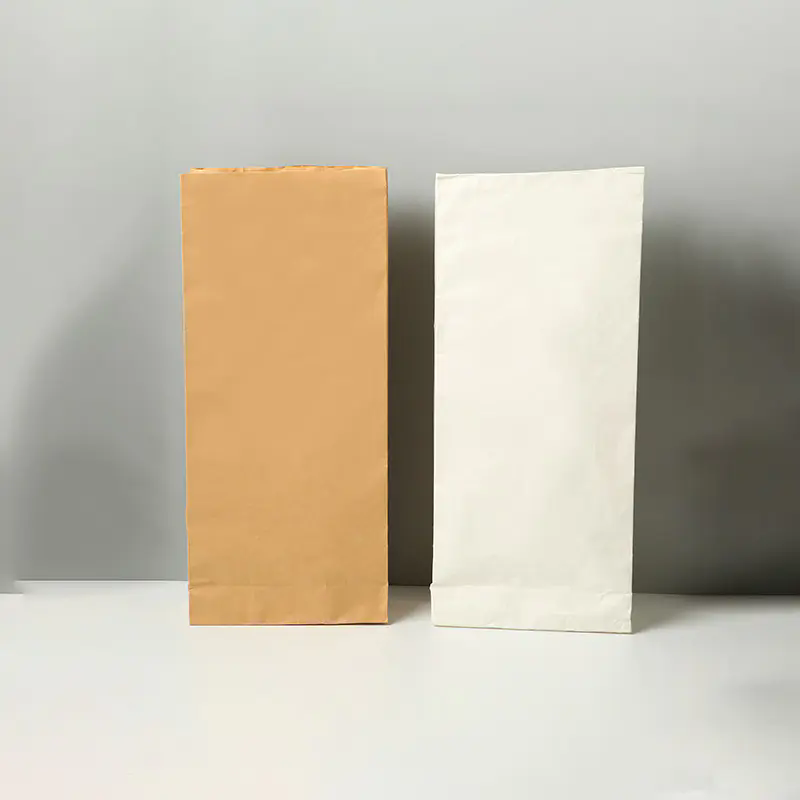
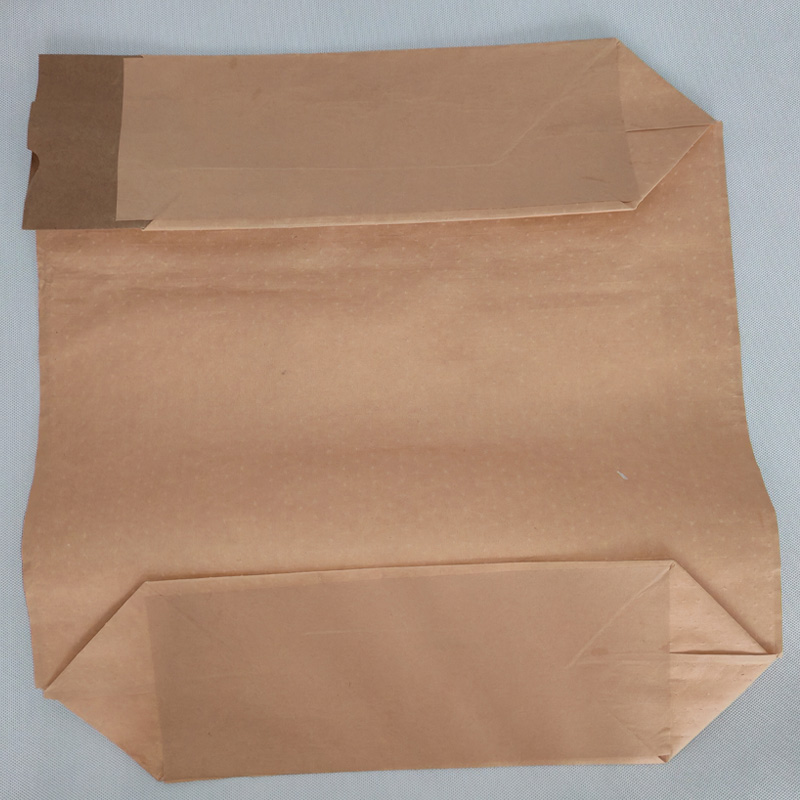
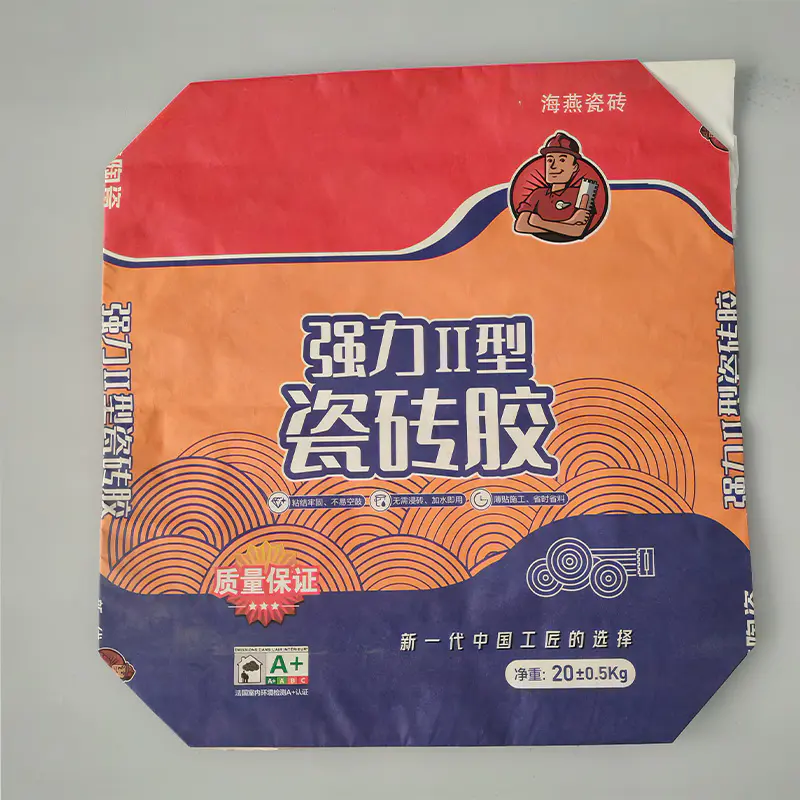
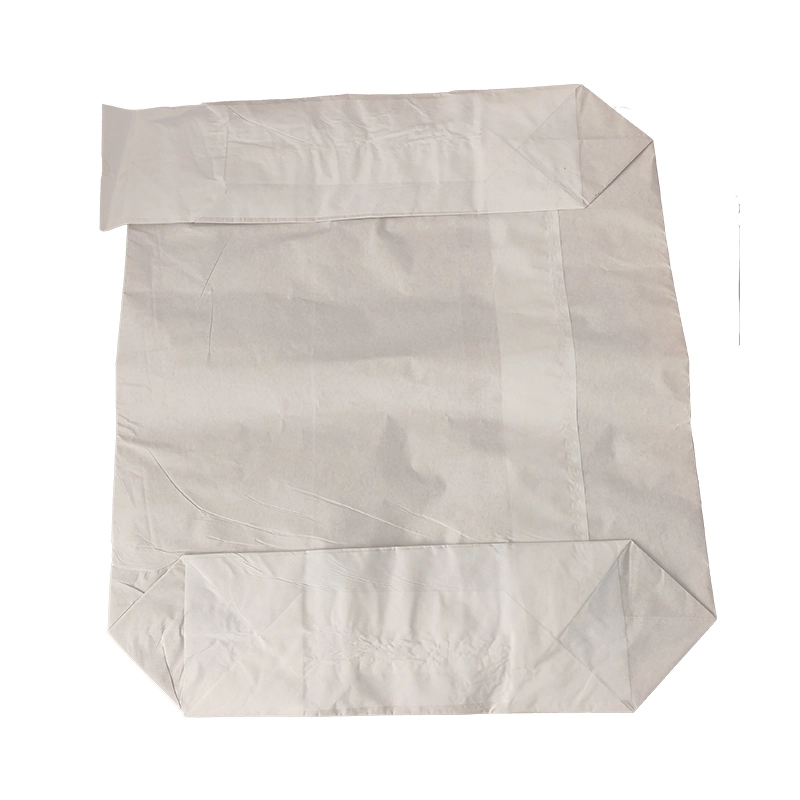
The first sample is the foundation of the verification process. Before you test the bag under filling conditions, you should conduct a visual and dimensional inspection to confirm that the bag matches the specification. The key items to check are the bag dimensions, the paper layers, the valve position, the print quality, and the overall workmanship. The dimensions should match the drawing within the specified tolerance. The paper layers should be as specified—typically two or three layers of kraft paper, with an optional inner liner. The valve should be positioned correctly, with the flaps cleanly cut and properly aligned. The print should be sharp and legible, with no smudging or misregistration. The workmanship should be clean, with no loose threads, wrinkles, or delamination. The table below summarizes the sample inspection checklist.
| Check Item | What to Verify | Acceptance Criteria |
| Bag Dimensions | Length, width, gusset depth | Within +/- 3 mm of drawing |
| Paper Layers | Number and weight of layers | Matches specification |
| Valve Position | Location and orientation | Matches drawing |
| Valve Flaps | Clean cut, aligned | No burrs, no misalignment |
| Print Quality | Sharpness, registration, color | Legible, no smudging |
| Workmanship | Seams, folds, edges | Clean, no loose threads or wrinkles |
At Wenzhou Chenxing Packaging Co., Ltd., our factory provides samples with a full dimensional report and a material specification sheet. We encourage our customers to conduct their own inspection and to compare the sample against the drawing before proceeding to the next stage of verification.
The valve is the most critical functional element of a Valve Mouth Paper Bag. It must open under the pressure of the filling spout, allow the product to flow into the bag, and then close tightly to prevent leakage. A valve that is too tight will not open properly, causing filling problems. A valve that is too loose will not close, causing leakage. The best way to test the valve is to fill the bag on the same type of filling equipment that will be used in production. If that is not possible, a laboratory simulation can be used. The test should include filling the bag to its rated weight, checking for leakage at the valve, and then dropping the bag from a specified height to simulate handling. The table below summarizes the valve test protocol.
| Test Step | Procedure | Acceptance Criteria |
| Valve Opening | Fill on spout line at rated pressure | Opens fully, no resistance |
| Valve Closure | Remove spout, observe valve | Closes fully, no gap |
| Leakage Check | Invert bag for 5 minutes | No leakage |
| Drop Test | Drop from 1.2 m onto concrete | No leakage, no valve damage |
| Repeat Fill | Fill and empty 3 times | Valve still functions |
At our factory, we test the valve function on every production batch using a simulated filling rig. We also offer to fill customer samples on our own spout line to verify performance under realistic conditions. Our goal is to ensure that the valve works reliably on the first fill and continues to work through the entire production run.
The seams and the bottom of a Valve Mouth Paper Bag are the second most critical functional elements. A seam that fails will cause the bag to split open under load. The bottom is subjected to the full weight of the product and must be strong enough to hold it. The seam strength can be measured using a tensile tester. A strip of the seam is clamped in the tester and pulled apart at a constant rate. The force required to break the seam is recorded. The bottom strength can be measured using a burst tester or a drop test. The table below summarizes the seam and bottom strength test methods.
| Test | Method | Acceptance Criteria |
| Seam Tensile Strength | Tensile tester, 50 mm strip | > 300 N/50 mm (typical for 3-ply) |
| Bottom Burst Strength | Burst tester | > 800 kPa (typical for 50 kg bag) |
| Bottom Drop Test | Fill to rated weight, drop 1.2 m | No rupture |
| Seam Visual | Inspect for gaps or skips | Continuous, no gaps |
At our factory, we perform seam tensile testing and bottom burst testing on every production batch. We also conduct drop tests on filled bags to verify the bottom strength under realistic conditions. Our quality control team records the test results and provides them with the shipment documentation.
The quality of the paper determines the bag's strength, its resistance to moisture, and its printability. The most important paper properties are the basis weight, the tensile strength, and the porosity. The basis weight should match the specification. The tensile strength should be sufficient to withstand the filling and handling forces. The porosity should be appropriate for the filling method—too low a porosity will cause the bag to balloon during filling. The print durability is also important, especially for bags that will be exposed to moisture or abrasion during transport. The print should be sharp and should not smudge or rub off. The table below summarizes the paper and print quality checks.
| Check Item | Method | Acceptance Criteria |
| Basis Weight | Weigh a known area | Within +/- 5% of specification |
| Tensile Strength | Tensile tester | Matches specification |
| Porosity | Gurley porosimeter | Matches specification |
| Print Sharpness | Visual inspection | Legible, no smudging |
| Print Adhesion | Tape test or rub test | No ink transfer |
At Chenxing Packaging, our factory sources paper from certified suppliers and verifies its properties before production. We use high-quality printing inks and processes to ensure that the print is sharp and durable. Our goal is to provide our customers with Valve Mouth Paper Bags that meet their performance and appearance requirements.
The supplier's quality control system is the foundation of consistent quality. A supplier that produces a good sample but lacks a robust quality control system may produce inconsistent bags in the production run. The evaluation should cover the supplier's quality management certification, their incoming material inspection, their in-process inspection, their final inspection, and their testing capability. The table below summarizes the evaluation criteria.
| Evaluation Criterion | What to Look For | Why It Matters |
| Quality Certification | ISO 9001, FSSC 22000 | Demonstrates a formal quality system |
| Incoming Inspection | Paper and adhesive testing | Ensures raw materials meet specification |
| In-Process Inspection | Dimensional and visual checks | Catches defects during production |
| Final Inspection | Sampling and testing | Ensures the finished product meets specification |
| Testing Capability | Tensile, burst, porosity, valve testing | Verifies performance claims |
At our factory, we are ISO 9001 certified and maintain a comprehensive quality control system. We inspect incoming materials, monitor in-process production, and test finished bags before shipment. We provide test reports with every order. We invite you to evaluate our quality control system against these criteria.
A pre-production verification report is a document that summarizes the results of the sample testing and the supplier evaluation. It serves as a record of the verification process and as a reference for the production run. The report should include the sample inspection results, the valve test results, the seam and bottom strength test results, the paper quality test results, and the supplier quality control evaluation. It should also include any deviations from the specification and the agreed corrective actions. The table below summarizes the contents of a pre-production verification report.
| Section | Content | Purpose |
| Sample Inspection | Dimensions, layers, valve, print | Confirms sample matches specification |
| Valve Test | Opening, closure, leakage, drop | Confirms valve function |
| Seam/Bottom Test | Tensile, burst, drop | Confirms structural strength |
| Paper Test | Basis weight, tensile, porosity | Confirms paper quality |
| Supplier Evaluation | Quality system, testing capability | Confirms production consistency |
| Deviations | Any non-conformance and corrective action | Documents resolution |
At our factory, we provide a pre-production verification report with every sample order. We also offer to review the customer's verification report and to address any findings before the bulk order is placed. Our goal is to ensure that both parties have a clear understanding of the quality requirements and the production expectations.
The following table provides the key product parameters for our Valve Mouth Paper Bags. These bags are suitable for cement, chemicals, minerals, and agricultural products. Our factory can also produce custom bags to meet specific requirements.
| Parameter | Specification Range | Notes |
| Bag Size | Custom | Made to order |
| Paper Layers | 2 - 4 layers | Selected for product weight |
| Paper Type | High-strength kraft, recycled kraft | Selected for strength and cost |
| Basis Weight | 70 - 120 gsm per layer | Selected for strength |
| Valve Type | Standard valve, self-sealing valve | Selected for filling equipment |
| Flexo, offset, digital | Selected for design complexity | |
| Seam Strength | > 300 N/50 mm | Tested per batch |
| Bottom Burst Strength | > 800 kPa | Tested per batch |
| MOQ | 10,000 pieces | Negotiable for large orders |
| Lead Time | 3 - 6 weeks | Depends on quantity and customization |
At our factory, we manufacture our Valve Mouth Paper Bags to meet these specifications and more. We can customize the size, layers, paper type, valve type, and print to suit your specific requirements. Our quality control system includes inspection of raw materials, in-process inspection, and final inspection before shipment. Our goal is to provide our customers with high-quality Valve Mouth Paper Bags that meet their performance requirements.
Question 1: How many samples should I request before placing a bulk order?
Answer: We recommend requesting at least 10 samples from different production batches. This allows you to test the valve function, the seam strength, and the print quality across multiple units. Testing a single sample is not sufficient to confirm that the production run will be consistent. At Wenzhou Chenxing Packaging Co., Ltd., we provide samples from different batches at no charge for qualified buyers.
Question 2: What is the most common quality problem in valve mouth paper bags?
Answer: The most common quality problem is valve leakage. This can be caused by a valve that is too loose, a valve flap that is misaligned, or a valve that has been damaged during handling. The second most common problem is seam failure, which can be caused by insufficient adhesive, inadequate pressure during sealing, or poor paper quality. Both problems can be detected through the verification process described in this guide.
Question 3: How do I test the valve function without a filling line?
Answer: If you do not have access to a filling line, you can simulate the filling process by using a hand-held spout or a compressed air source to inflate the bag. Observe whether the valve opens and closes properly. Then fill the bag with a representative product and check for leakage. A drop test from 1.2 meters will simulate handling. At our factory, we can also fill your samples on our own spout line and provide a video of the test.
Question 4: What is the typical seam strength required for a 50 kg bag?
Answer: For a 50 kg bag, the typical seam strength requirement is at least 300 N/50 mm for a 3-ply bag. The exact requirement depends on the paper weight, the number of layers, and the product density. The seam strength should be sufficient to hold the bag's rated weight with a safety margin. Our factory tests seam strength on every batch and provides the results in the test report.
Question 5: Can I visit the factory before placing a bulk order?
Answer: Yes, we welcome factory visits. A visit allows you to inspect the production equipment, review the quality control process, and observe the manufacturing of your bags. At Wenzhou Chenxing Packaging Co., Ltd., we can arrange a factory tour and a meeting with our technical team to discuss your requirements. Please contact us to schedule a visit.
Verifying Valve Mouth Paper Bag quality before bulk order placement is a structured process that covers sample inspection, valve function testing, seam and bottom strength testing, paper quality assessment, and supplier quality control evaluation. By following this process, buyers can reduce the risk of production failures, protect their product, and ensure that the bags they receive meet their specifications. At Wenzhou Chenxing Packaging Co., Ltd., our factory is committed to supporting our customers through every step of the verification process. We provide samples, test data, and technical support to help our customers make an informed decision.
Whether you are sourcing bags for cement, chemicals, minerals, or agricultural products, we invite you to contact us to discuss your requirements. We can provide samples, technical data, and customized solutions. Our commitment to quality and customer satisfaction has made us a trusted partner for packaging buyers around the world.
Contact Wenzhou Chenxing Packaging Co., Ltd. today to discuss your Valve Mouth Paper Bag requirements and discover how our products can meet your packaging needs.
-