Summary
Sticky labels have become an essential component of modern packaging across industries including food, beverage, cosmetics, pharmaceuticals, logistics, and retail. The right sticky label not only identifies products but also improves inventory management, enhances brand recognition, ensures regulatory compliance, and creates a professional appearance. This article explores how businesses can select, customize, and apply sticky labels effectively while addressing common challenges such as durability, adhesion failure, environmental exposure, and cost control.
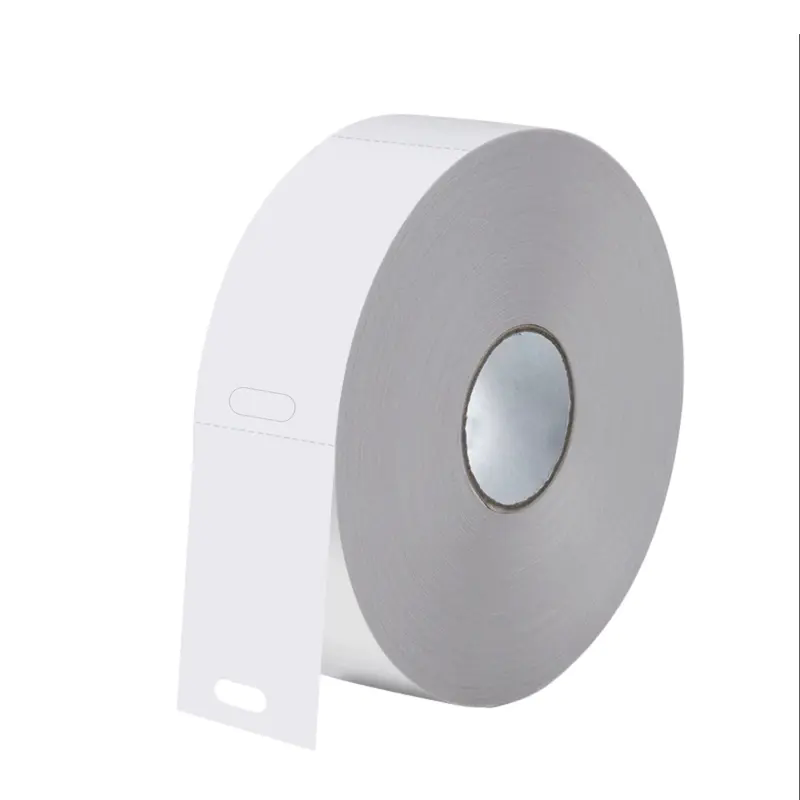
In today's highly competitive marketplace, packaging serves as more than just a protective layer. It acts as a communication channel between businesses and consumers. Sticky labels provide important product information, display branding elements, and support operational efficiency throughout the supply chain.
Whether a company needs barcode labels for warehouse management, tamper-evident labels for product security, or premium branding labels for retail shelves, choosing the right labeling solution directly influences customer perception and operational performance.
A high-quality sticky label can help companies:
Different applications require different label constructions. Understanding the available options helps businesses select the most suitable solution.
| Label Type | Key Features | Typical Applications |
|---|---|---|
| Paper Labels | Economical and versatile | Retail products, food packaging |
| PET Labels | Excellent durability and moisture resistance | Industrial and outdoor products |
| PVC Labels | Flexible and durable | Cosmetics and specialty packaging |
| Transparent Labels | Premium "no-label" appearance | Beverages and luxury goods |
| Tamper-Evident Labels | Security protection | Pharmaceuticals and electronics |
Many businesses experience label failures because they focus only on price instead of overall performance. The ideal sticky label should match the environmental conditions and packaging requirements of the product.
Key factors to evaluate include:
For example, refrigerated food products require adhesives that remain effective at low temperatures, while chemical containers often need labels that resist solvents and abrasion.
When properly designed and applied, sticky labels deliver significant advantages throughout the product lifecycle.
1. Enhanced Brand Recognition
Customized labels featuring logos, colors, product descriptions, and promotional messaging help products stand out on crowded shelves.
2. Improved Supply Chain Efficiency
Barcode and QR code labels enable rapid scanning, tracking, and inventory management, reducing manual errors.
3. Better Customer Experience
Clear labels provide consumers with essential information including ingredients, instructions, warnings, and expiration dates.
4. Cost-Effective Packaging Solution
Compared with direct container printing, sticky labels offer greater flexibility and lower production costs, especially for multiple product variations.
5. Regulatory Compliance
Industries such as food, healthcare, and chemicals often require specific labeling information. High-quality labels help businesses meet these requirements efficiently.
Sticky labels are used in virtually every industry because they provide a practical combination of information delivery and brand communication.
| Industry | Primary Uses |
|---|---|
| Food & Beverage | Ingredients, nutrition facts, branding |
| Cosmetics | Product identity and premium packaging |
| Pharmaceuticals | Safety information and traceability |
| Logistics | Tracking and inventory control |
| Electronics | Warranty and product identification |
| Industrial Manufacturing | Asset management and safety labeling |
Businesses frequently encounter labeling issues that can affect product presentation and operational efficiency.
| Challenge | Solution |
|---|---|
| Labels peeling off | Choose stronger adhesive systems |
| Fading print | Use UV-resistant materials and inks |
| Wrinkling during application | Optimize application speed and surface preparation |
| Poor barcode readability | Improve print quality and contrast |
| Moisture damage | Use waterproof synthetic materials |
Material selection significantly impacts overall performance. The table below provides a practical comparison.
| Material | Durability | Water Resistance | Cost Level |
|---|---|---|---|
| Paper | Medium | Low | Low |
| PET | Very High | Excellent | Medium |
| PVC | High | Excellent | Medium |
| BOPP | High | Excellent | Medium |
The labeling industry continues to evolve with advancements in materials, printing technologies, and digital integration.
Emerging trends include:
As businesses increasingly focus on efficiency and customer engagement, advanced sticky label solutions are becoming a strategic packaging investment rather than a simple identification tool.
Q1: What is the best material for waterproof sticky labels?
PET, BOPP, and PVC materials are commonly chosen for waterproof applications because they offer strong moisture resistance and long-term durability.
Q2: Can sticky labels be customized for branding?
Yes. Businesses can customize size, shape, color, finish, adhesive type, and printing details to align with their branding requirements.
Q3: How can I prevent labels from peeling?
Select the correct adhesive for the application environment and ensure the packaging surface is clean and dry before application.
Q4: Are sticky labels suitable for outdoor products?
Yes. Synthetic materials combined with weather-resistant adhesives and UV-resistant printing provide reliable outdoor performance.
Q5: Can sticky labels support inventory management?
Absolutely. Labels containing barcodes, serial numbers, and QR codes significantly improve tracking and inventory accuracy.
Sticky labels play a critical role in modern product packaging by combining functionality, durability, branding, and operational efficiency. Selecting the appropriate material, adhesive, and printing technology can help businesses reduce packaging issues, improve product presentation, and strengthen customer trust. Whether used for retail packaging, industrial identification, logistics management, or regulatory compliance, a well-designed sticky label contributes directly to overall business performance.
Chenxing specializes in providing customized sticky label solutions for a wide range of industries. From durable industrial labels to premium product branding labels, our team can help you find the right solution for your packaging needs. If you are looking for reliable, high-quality sticky labels tailored to your products and application environment, contact us today to discuss your project and discover how Chenxing can support your business growth.