


Abstract: Three Proof Thermal Sensitive Adhesive is designed for applications where printed labels must remain readable, firmly attached, and resistant to everyday environmental challenges. Combining thermal-printing compatibility with waterproof, oil-resistant, and scratch-resistant properties, this label material can support logistics, retail, healthcare, food packaging, electronics, and industrial identification. This guide explains its construction, advantages, specifications, applications, and selection considerations for businesses looking for a dependable labeling solution.
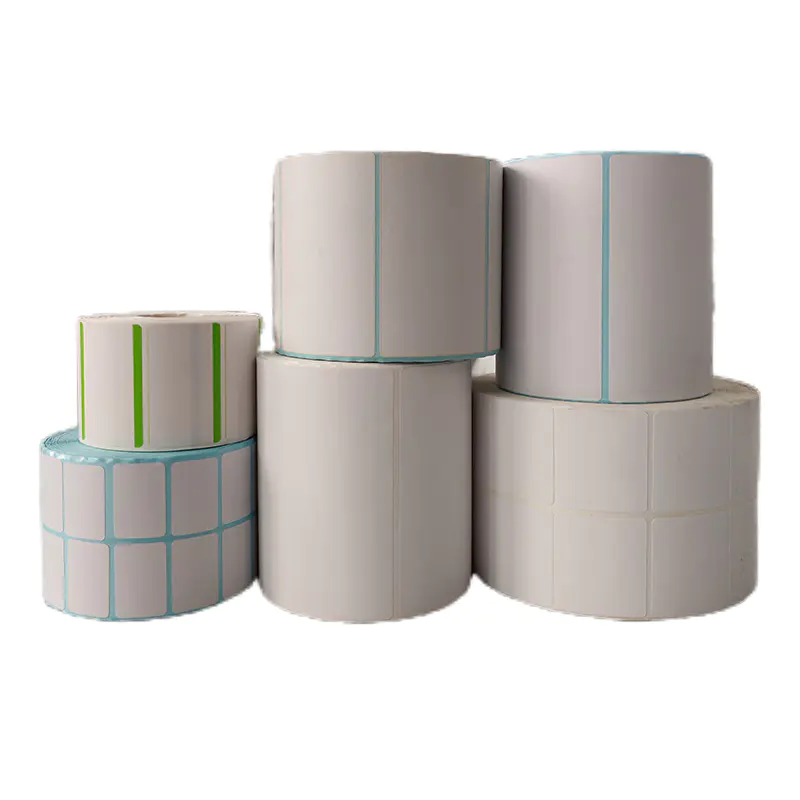
Table of Contents
- What Is Three Proof Thermal Sensitive Adhesive?
- Why Does Three Proof Performance Matter?
- What Are Its Key Features?
- Three Proof Thermal Sensitive Adhesive Specifications
- Where Can It Be Used?
- How Should Buyers Select the Right Material?
- What Are the Main Business Advantages?
- FAQ About Three Proof Thermal Sensitive Adhesive
- Conclusion
What Is Three Proof Thermal Sensitive Adhesive?
Three Proof Thermal Sensitive Adhesive is a specialized self-adhesive label material developed for thermal printing and demanding labeling environments. According to Chenxing, the material is designed to provide three important protective properties: water resistance, oil resistance, and scratch resistance. These properties help printed information remain usable when labels encounter moisture, handling friction, or oily substances.
Unlike conventional thermal labels that may require additional printing consumables, thermal-sensitive materials can be printed directly with compatible thermal printers. Chenxing states that this can eliminate the need for carbon ribbon during printing, potentially reducing long-term consumable costs and simplifying the labeling workflow.
The material can typically use synthetic paper or polyester as its substrate, combined with a permanent acrylic adhesive. A matte film surface provides a practical balance between appearance, readability, and durability for professional labeling applications.
Why Does Three Proof Performance Matter?
Labels are often exposed to conditions that ordinary paper labels cannot handle effectively. A shipping label may encounter rain or condensation, a warehouse label may experience repeated friction, while a product label can come into contact with oil or other contaminants.
Three-proof protection addresses these challenges through three complementary characteristics:
- Waterproof: Helps protect the label surface and printed information from moisture and water exposure.
- Oil resistant: Helps maintain label usability in environments where oily substances may be present.
- Scratch resistant: Helps reduce surface damage caused by handling, transportation, and routine contact.
This combination is particularly useful when labels are expected to remain identifiable throughout transportation, storage, product handling, or extended service periods.
What Are Its Key Features?
The performance of thermal-sensitive labeling material depends on the interaction between its printing surface, substrate, coating, and adhesive. Three Proof Thermal Sensitive Adhesive is designed around these elements to provide a practical labeling solution.
Direct Thermal Printing Compatibility
The material is specifically designed for thermal printing. This allows businesses to print variable information such as product identification, tracking data, prices, inventory information, or other operational details without relying on conventional ribbon-based printing.
Durable Surface Protection
The surface is engineered to resist water, oil, and scratching. For businesses that need labels to remain legible after handling or exposure to demanding environments, this additional protection can be an important consideration.
Reliable Adhesion
A permanent acrylic adhesive is commonly used to provide firm attachment to different surfaces. Proper adhesion is essential for logistics labels, equipment identification, retail labels, and other applications where peeling can result in lost information.
Flexible Material Selection
Synthetic paper and polyester can serve as substrate options. The appropriate substrate can be selected according to the intended application, surface conditions, durability requirements, and desired label appearance.
Three Proof Thermal Sensitive Adhesive Specifications
Understanding the technical parameters helps purchasers determine whether the material matches their printing equipment and application requirements. The following specifications are based on the product information published by Chenxing.
| Parameter | Specification | Application Significance |
|---|---|---|
| Adhesive Type | Thermal sensitive | Designed for thermal printing applications |
| Film Type | Matte film | Supports a practical, professional label surface |
| Corner R | 1.5 | Suitable for defined label shapes and finishing requirements |
| Product Specifications | 30–100 mm | Provides flexibility for different label formats |
| Spacing | 3 mm | Supports organized label production |
| Substrate | Synthetic paper or polyester | Provides options for different durability requirements |
| Adhesive | Permanent acrylic adhesive | Designed for firm and lasting attachment |
| Surface Protection | Waterproof, oil resistant, scratch resistant | Improves durability in demanding environments |
| Printing | Thermal printing | Supports efficient variable-data label production |
Specifications can vary according to customized production requirements. Buyers should confirm dimensions, substrate, adhesive performance, and printer compatibility before placing a large order.
Where Can It Be Used?
The combination of thermal-printing compatibility and three-proof surface protection makes this label material suitable for multiple industries.
Logistics and Transportation
Shipping, tracking, inventory, and identification labels need to remain readable while goods are stored and transported. Waterproof and scratch-resistant properties can help labels withstand handling and environmental exposure.
Retail and Product Management
Retailers can use thermal labels for price tags, promotional information, inventory management, and product identification. Durable labels are particularly valuable when information needs to remain visible throughout product circulation.
Healthcare
Healthcare-related applications can include labels for drug packaging and other identification requirements where clear information is important. Material selection should always be matched to the specific regulatory and environmental requirements of the application.
Food Packaging
Food-related environments may expose labels to moisture, oils, refrigeration, handling, and transportation. Three-proof characteristics can therefore provide practical benefits compared with ordinary paper labels.
Electronics and Electrical Products
Electronic components and finished products often require durable identification. Thermal-sensitive labels can provide an efficient way to print product information while maintaining adhesion during handling and storage.
Industrial Manufacturing
Manufacturers can use these labels for equipment, components, inventory, work-in-process identification, and traceability. Clear labeling can contribute to better organization and more efficient material management.
How Should Buyers Select the Right Material?
Choosing a thermal-sensitive adhesive label should involve more than simply comparing unit prices. Procurement teams should evaluate the complete application environment.
- Identify the surface: Determine whether the label will be applied to plastic, metal, cardboard, synthetic material, or another substrate.
- Evaluate environmental exposure: Consider water, oil, abrasion, temperature, humidity, and handling conditions.
- Confirm printer compatibility: Ensure the thermal label material works properly with the thermal printer and printing process being used.
- Select the substrate: Synthetic paper and polyester offer different balances of flexibility, appearance, and durability.
- Determine label dimensions: Confirm the required width, length, spacing, corner design, and roll configuration.
- Test adhesion: Conduct application tests on the actual surface before committing to high-volume purchasing.
For international buyers searching for a China manufacturer or supplier, requesting samples before mass production is a practical way to verify printing quality, adhesion, and resistance under real operating conditions.
What Are the Main Business Advantages?
For businesses managing large volumes of labels, material performance directly influences operating efficiency. Three Proof Thermal Sensitive Adhesive can offer several potential advantages.
- Reduced printing consumables: Direct thermal printing does not require carbon ribbon in the same way as thermal-transfer printing.
- Efficient variable-data printing: Information can be printed as required for logistics, inventory, retail, and identification workflows.
- Improved label durability: Waterproof, oil-resistant, and scratch-resistant properties provide additional protection.
- Broad application potential: The material can serve logistics, retail, healthcare, food packaging, electronics, and manufacturing.
- Flexible specifications: Available specifications can accommodate different label sizes and application requirements.
- Professional appearance: The matte film surface can provide a clean and practical finish for commercial and industrial labeling.
These advantages make three-proof thermal labels particularly relevant for companies seeking to balance label durability, printing efficiency, and long-term operating costs.
FAQ About Three Proof Thermal Sensitive Adhesive
1. What does “three proof” mean in thermal-sensitive adhesive labels?
In this product context, “three proof” refers to three key protective characteristics: waterproof, oil resistant, and scratch resistant. These properties help labels remain functional and readable under more demanding conditions.
2. Does Three Proof Thermal Sensitive Adhesive require a carbon ribbon?
The product is designed specifically for thermal printing, so it can be printed without the carbon ribbon typically associated with thermal-transfer printing. This can simplify operations and reduce certain consumable costs.
3. What materials can be used as the substrate?
According to the published product specifications, synthetic paper or polyester materials are typically used as substrates. The appropriate option depends on the required durability and application environment.
4. What industries use three-proof thermal labels?
Common applications include logistics and transportation, retail, healthcare, food packaging, electronics and electrical products, and industrial manufacturing.
5. How can buyers verify whether the label is suitable for their application?
Buyers should test the label on the actual application surface and under representative environmental conditions. Printer compatibility, adhesive performance, label dimensions, moisture exposure, oil exposure, and abrasion should all be evaluated before mass purchasing.
Conclusion
Three Proof Thermal Sensitive Adhesive provides a practical solution for businesses that need thermal-printable labels with enhanced resistance to water, oil, and scratching. Its combination of thermal-printing compatibility, permanent acrylic adhesion, flexible substrate options, and broad application potential makes it suitable for demanding identification and packaging workflows. For companies sourcing durable thermal labels from a China manufacturer, Chenxing can provide a product-oriented solution based on specific label dimensions and application requirements. If you are evaluating materials, planning a bulk order, or need help selecting the appropriate specification, contact us to discuss your requirements and find a suitable labeling solution.