Finding the right balance between strength, protection, and cost is a significant challenge in industrial and bulk packaging. Multi-layer paper valve bags have long been known for their robustness, reliability, and high sustainability. This multi-layer packaging technology is more than just a simple bag; through careful design, it offers superior performance, protecting a wide range of products from fine powders to granular materials throughout the global supply chain.

This article delves into the design, advantages, applications, and key considerations of multi-layer paper valve bags, explaining why they have consistently been the preferred packaging for various industries, including construction and food production.
I. What are Multi-Layer Paper Valve Bags?
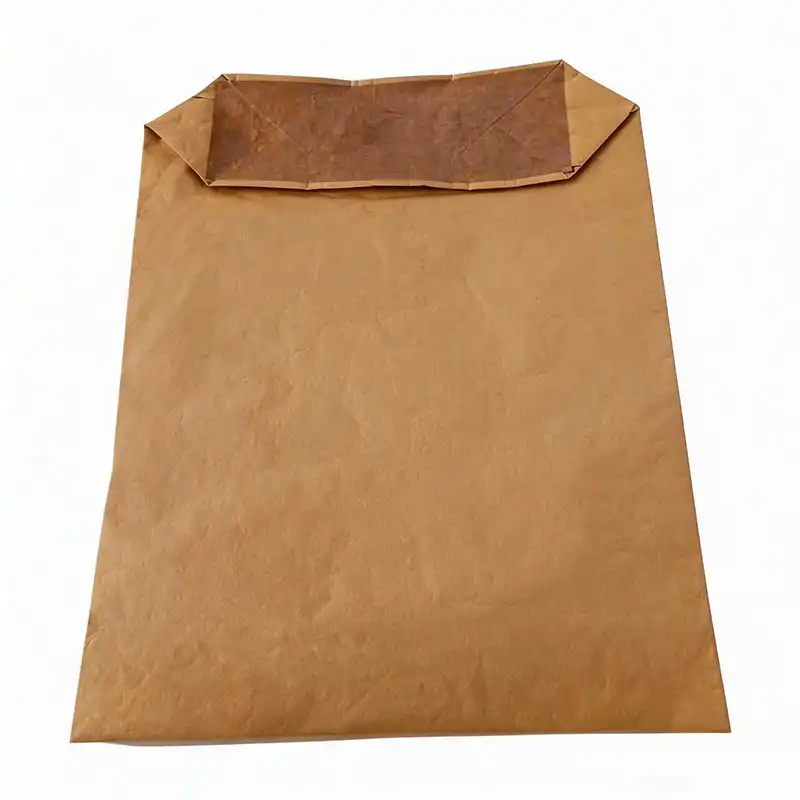
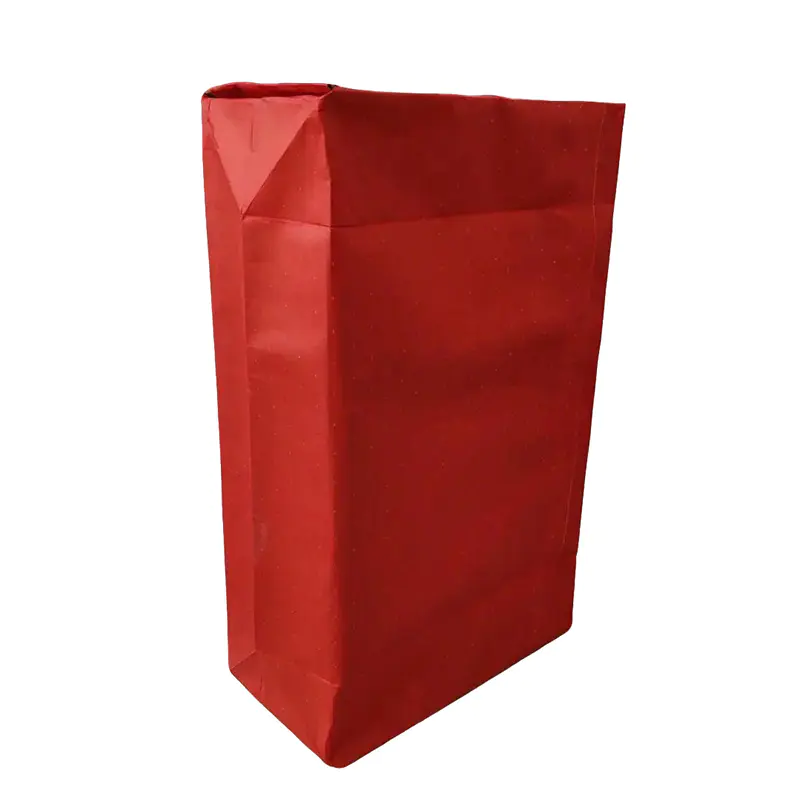
Multi-layer paper valve bags are a type of industrial packaging constructed from multiple layers of high-quality kraft paper and other papers. The "valve" refers to an integrated sleeve or tubular structure located at the top or bottom of the bag through which the product is mechanically filled. After filling, the valve is closed to prevent spillage. The bag is typically sealed at one end during production by stitching or gluing.
II. What are the Main Structural Features of Multi-Layer Paper Valve Bags?
1. Multi-layer paper structure: Typically composed of 2-4 layers of paper, each layer enhancing tensile strength, burst resistance, and barrier properties.
2. Kraft paper material: Made from virgin or recycled wood pulp, offering excellent strength and tear resistance.
Customizable barrier layers: The inner layers can be coated, laminated, or combined with materials such as polyethylene (PE), aluminum foil, or specialty polymers to provide moisture, oil, or gas barrier properties.
III. What are the five major advantages of multi-layer paper valve bags?
1. High strength and durability: The multi-layer structure creates a synergistic effect, giving the bags superior tear, puncture, and burst resistance during handling, palletizing, and transportation. They are designed to withstand the harsh conditions of stacking and long-distance transport.
2. Excellent product protection: These bags provide superior environmental protection through their built-in lining.
Moisture barrier: The PE coating prevents hygroscopic materials such as cement, plaster, or food ingredients from clumping.
Oil and odor resistance: Crucial for products such as animal feed, charcoal, or certain chemicals.
Contamination prevention: Sealed valves and a tight structure ensure product cleanliness, protecting it from external contamination.
3. Filling efficiency and cleanliness: The valve design of the packaging bag allows for high-speed filling, far exceeding open-type filling. Dust-free operation minimizes product loss, improves worker safety, and enhances factory cleanliness.
4. Sustainability and environmental advantages: In environmentally conscious markets, paper bags stand out. Most countries require packaging to be biodegradable and recyclable, and paper bags, made from renewable resources (wood fiber), are easily recycled in standard paper recycling processes and degrade naturally in controlled environments. This makes paper materials a preferred packaging material for various countries and companies.
5. Brand promotion impact and cost-effectiveness: Paper bags offer equivalent protection at a lower unit cost. Furthermore, the large printing surface of paper is ideal for prominent brand advertising, product descriptions, safety warnings, and mandatory product information. High-quality flexographic printing ensures your brand stands out in the market.
IV. In which industries are these types of packaging bags used?
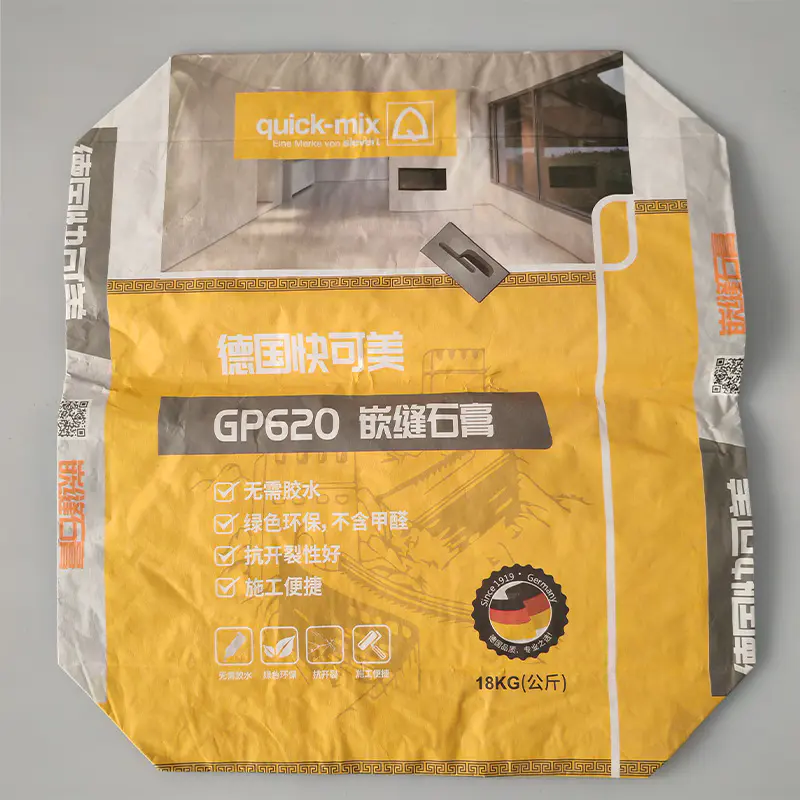
* Construction and Building: Cement, dry powder, mortar, gypsum, sand, tile adhesives, etc.
* Chemicals and Mining: Dyes, quartz sand, clay, powdered chemicals, pigments, etc.
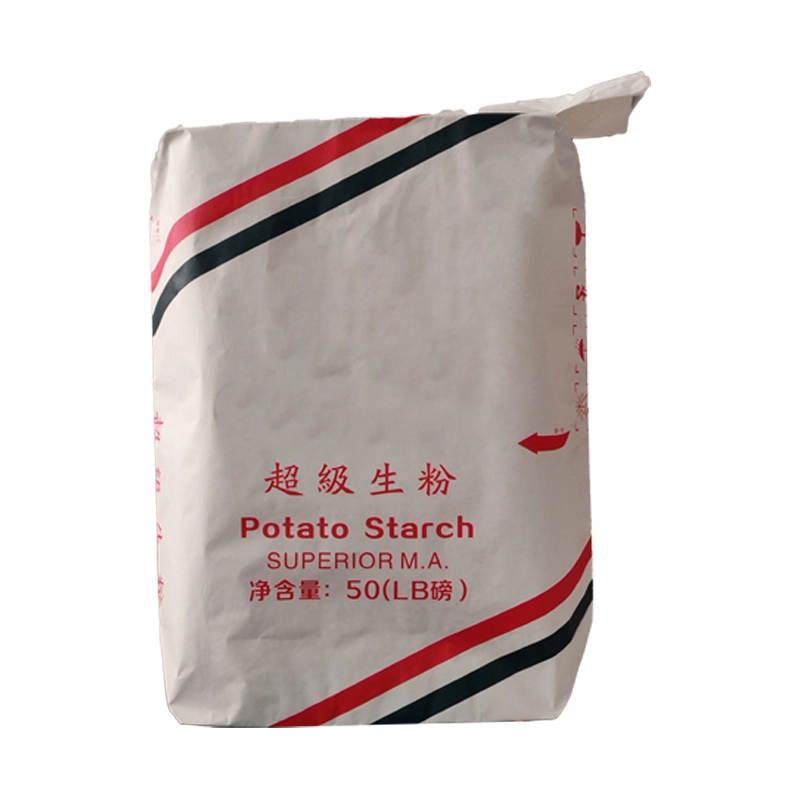
* Food and Agriculture: Grains, seeds, animal feed, fertilizers, flour, sugar, starch, etc.
* Industrial Products: Plastic resins, compounds, gypsum, limestone powder, etc.
Wenzhou Chenxing Packaging Co., Ltd. can provide professionally customized multi-layer kraft paper valve bags according to your needs. Please contact us for an accurate quote.