What is a paper-plastic composite square-bottom woven bag?
A type of bag favored in industry—the paper-plastic composite square-bottom woven bag.
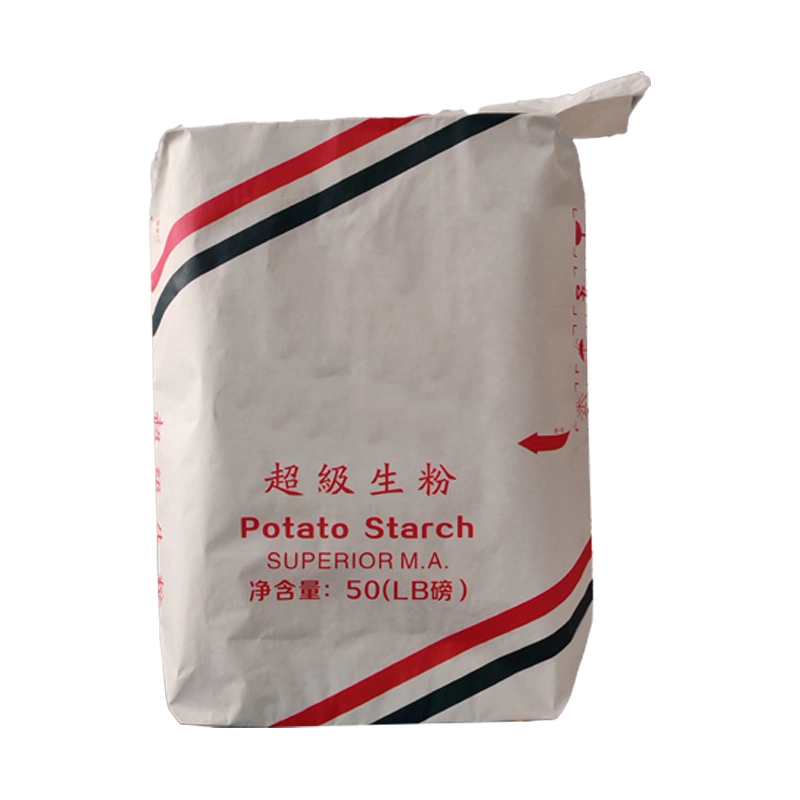
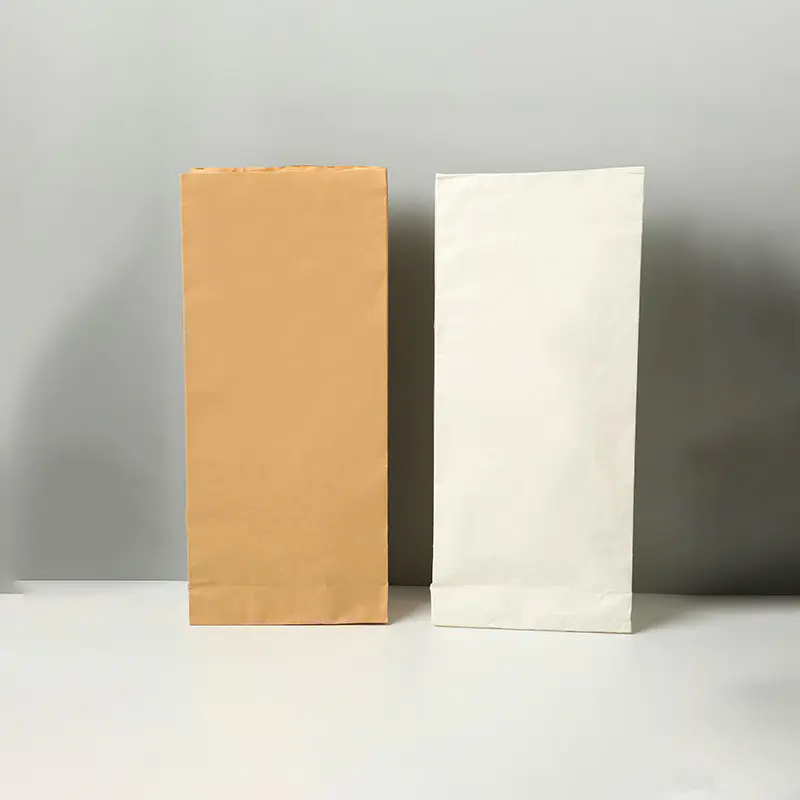
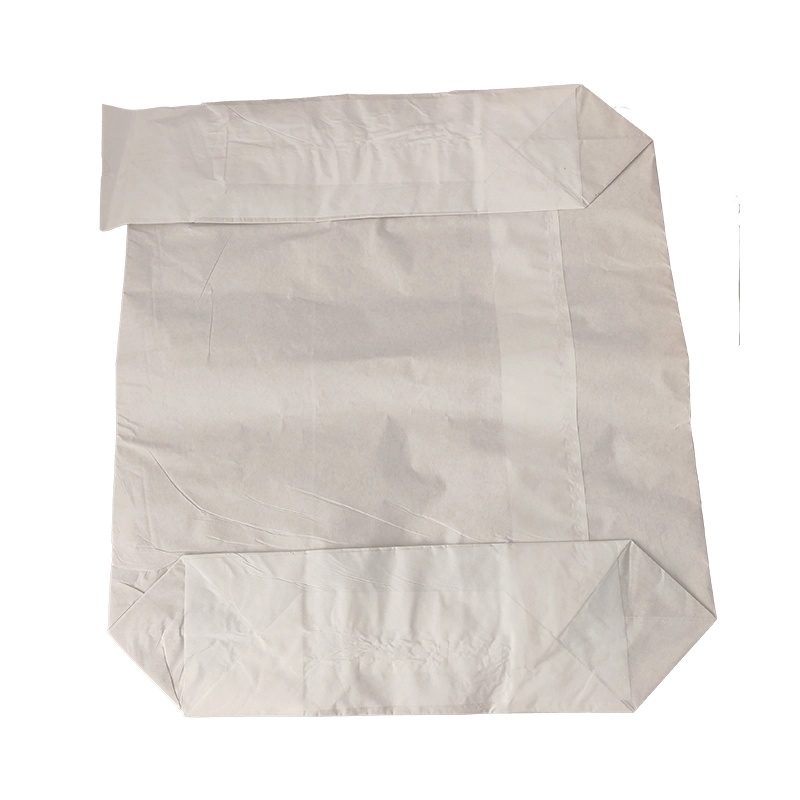
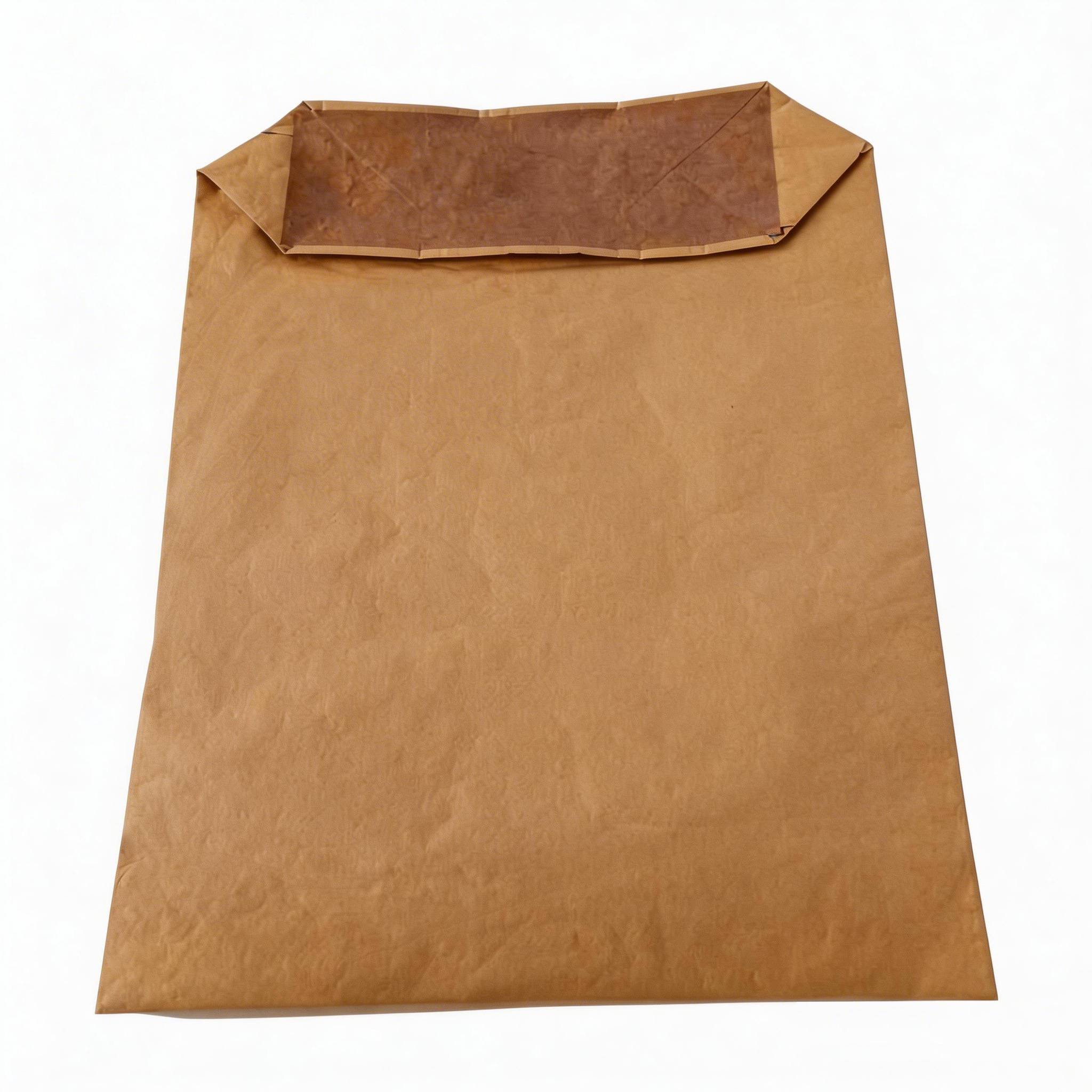
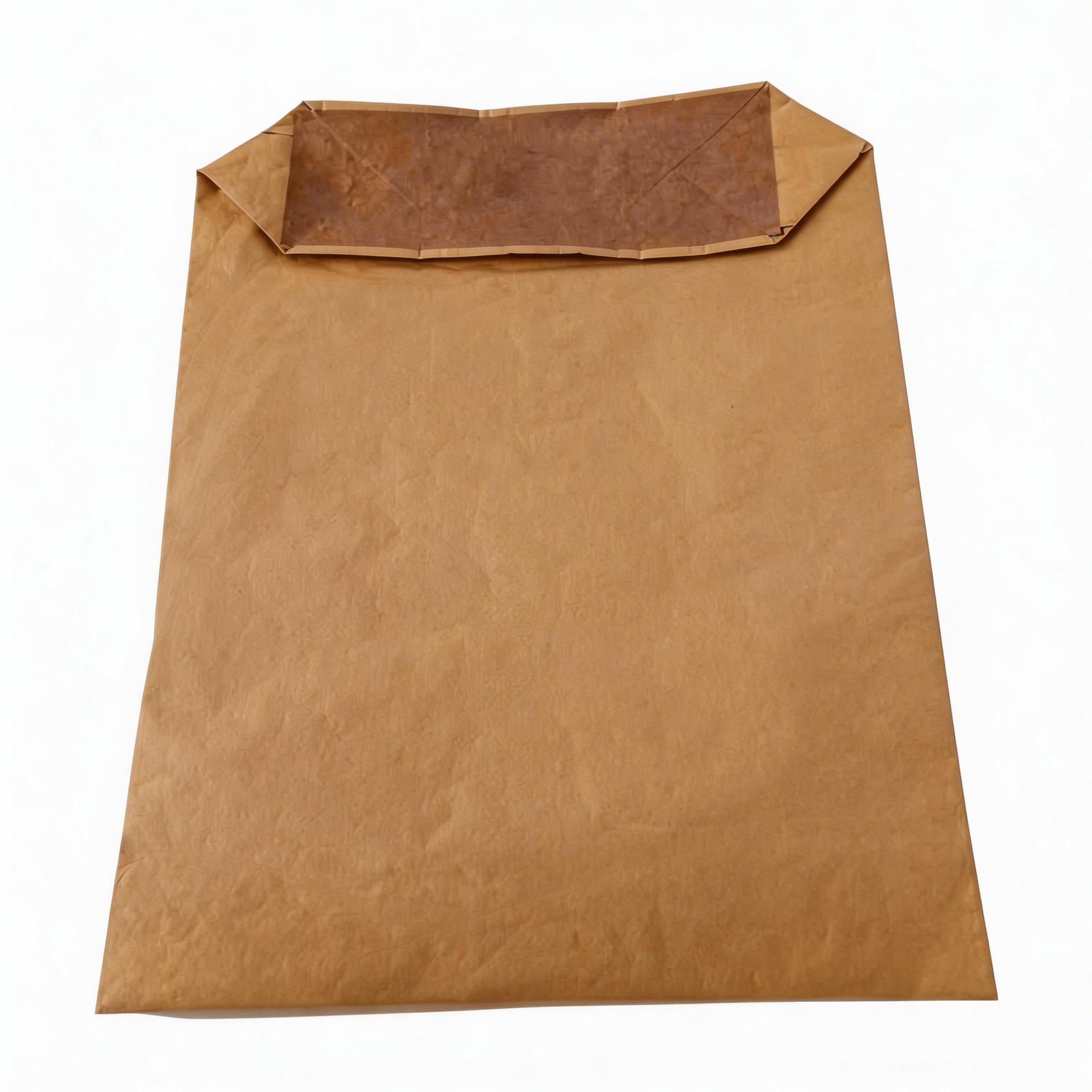
"Paper-plastic composite" refers to the material structure: the outer layer is refined white or yellow kraft paper, and the inner layer is woven plastic fabric (usually polypropylene PP). The PP particles are melted under high temperature and pressure, bonding the paper and fabric together. This structure retains the structural strength of a woven bag, providing tensile and puncture resistance, while also offering the texture and printing effects of paper.
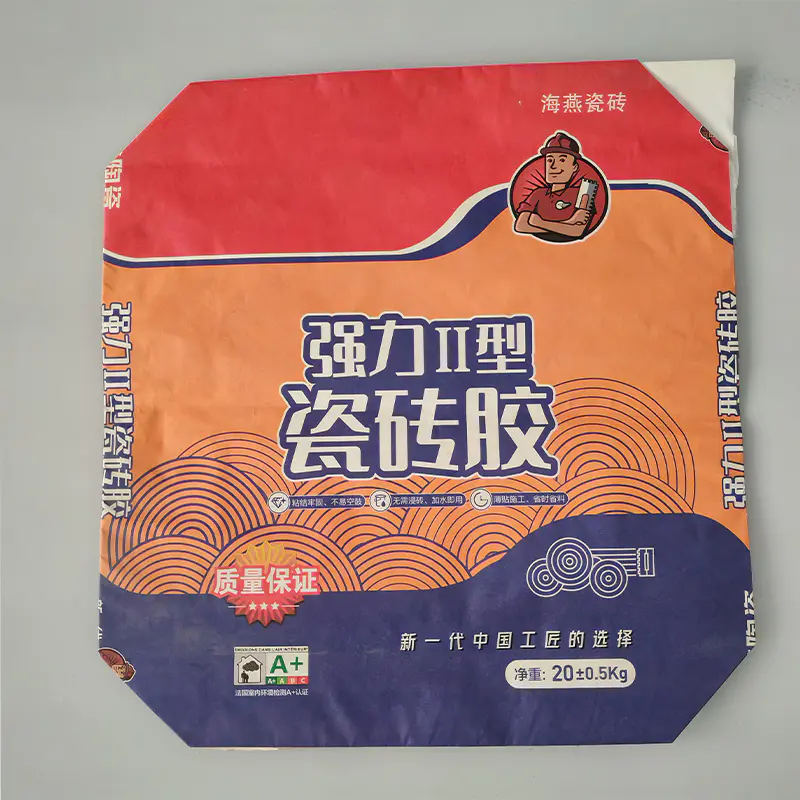
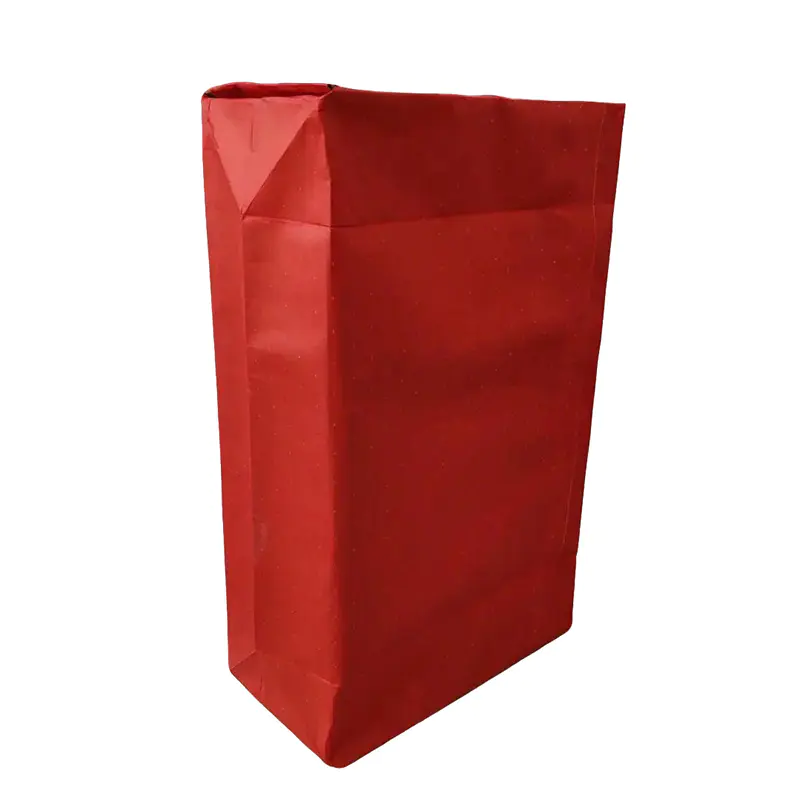
"Square bottom" refers to the shape: the bottom of the bag is square, not the traditional flat, sewn-bottom design. This type of bag can stand upright on its own, and the opening is also square, hence the international name SOS bag (Self-Open Square).
Why design a square bottom?
First, it facilitates smooth filling. When the square-bottom bag opens at the filling spout, the opening naturally forms a square shape, allowing powder and granules to flow in smoothly and evenly, unlike traditional bags which are crooked and require constant manual adjustment. This significantly improves filling efficiency and reduces the workload for operators.
Second, it ensures stable stacking. After filling, the bag's flat bottom allows it to be placed on a pallet like bricks, fitting together seamlessly. It avoids the problem of bags being "wide at the bottom and narrow at the top," which wobble after just a couple of layers. This provides tangible benefits for warehouse safety and space utilization.
Third, it looks better. The square-bottom bag has a flat front, back, and sides, allowing printed designs to spread out and brand logos to stand out. Retailers appreciate this, as it looks more appealing on shelves.
How to combine materials?
Paper-plastic composites sound simple, but different combinations result in completely different bag characteristics.
For kraft paper, choose white or yellow kraft paper, with weights ranging from 80g to 180g, depending on your requirements for printing quality and stiffness. Kraft paper also has the advantage of a suitable coefficient of friction, preventing slippage between bags when stacking.
Woven fabric is the core load-bearing material, typically woven from polypropylene flat yarns, with a basis weight ranging from 65g to 105g. Its warp and weft tensile loads can reach several hundred or even thousands of Newtons per 5cm. This data determines whether a bag carrying 50kg of material will break after being lifted, tossed, or subjected to long-distance bumps.
The lamination process is crucial. If done poorly, the paper and fabric will appear as two separate layers, easily separating when the contents are stretched. A good lamination uses high temperature and pressure to melt the PP particles, firmly bonding the two together, allowing for heat-sealing position deviations to be controlled within 0.5 mm.
The inner film is optional. If the contents are moisture-sensitive or require a tighter seal, a PE inner film can be added. For resin powders and food additives, the inner film can reduce the residue rate to below 0.3%.
In which situations can't we do without it?
Building Materials: Cement, mortar, tile adhesive – these are heavy materials and susceptible to moisture. A 50kg bag can withstand a drop of over 1 meter without breaking, and it won't clump together after being stored outdoors for a while.
Chemical Raw Materials: PVC resin powder and various additives are as fine as flour. Poorly sealed packaging can lead to leaks, making the workshop unusable and causing product damage. Paper-plastic composite bags with an inner lining ensure virtually no residue.
Agricultural and Livestock Feed: Soybean meal and feed additives sometimes need to be stored for several months. To prevent mold and moisture absorption, the bag's moisture permeability must be low. Good paper-plastic composite bags can achieve a moisture permeability of less than 2 grams per square meter per day.
High-End Consumer Goods: Such as exported pet food, grass seeds, and organic fertilizer. Overseas customers are discerning; the packaging must be attractive, able to stand out on the shelf, and the printing must be high-definition, sometimes requiring 10 colors.
Several details easily overlooked during procurement:
If you're planning to purchase these bags, here are a few things I've learned from experience over the years:
First, don't just look at the weight; look at the blending ratio. For 50kg bags, Type A and Type B bags have different woven fabric weight requirements and tensile loads. You need to calculate the appropriate type based on the type of goods you're packing.
Second, test the adhesion of the square bottom on the spot. The bottom is glued, and some manufacturers ship before the glue is fully dry, or the formula is incorrect. The bottom may open during packing, which is a mess… So, ask about the adhesive process when purchasing, and upon arrival, take a few bags, open them up, and drop them a couple of times to test the adhesion.
Third, check the actual product for the printing effect. A design may look great on the computer, but the colors may appear dark and dull when printed on kraft paper. It's best to have the manufacturer make a sample first and confirm it before mass production.
Fourth, pay attention to environmental policies. A major drawback of paper-plastic composite bags is that the paper and plastic are difficult to separate after use, leading to high recycling costs. Some places have already included non-degradable paper-plastic composite bags in their prohibited or restricted lists. You need to find out how your bags will be disposed of and whether there are more environmentally friendly alternatives.
Chenxing Packaging provides professional packaging customization services. Please contact us for an accurate quote.